

Guide to Reykjavík in February: Things To Do, Winter Vibes & Weather
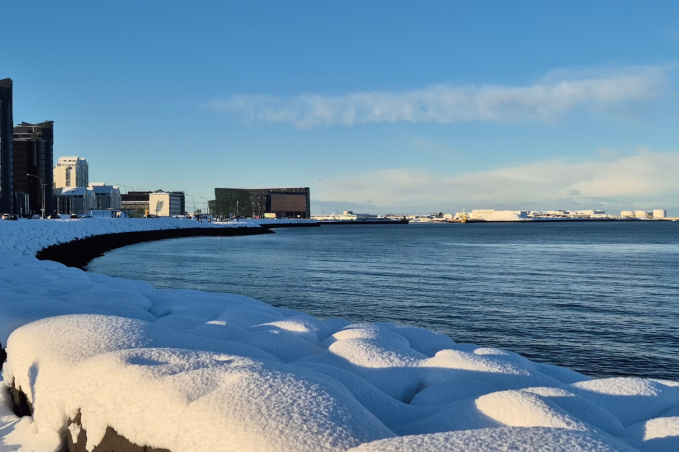
Reykjavík in February is a city of winter lights, snowy adventures, and unique cultural traditions. You’ll find longer days for exploring Iceland’s frozen landscapes and crisp nights for northern lights hunting. February is the perfect time to enjoy both outdoor adventures and local festivals.
What’s Reykjavík Like in February?
In February, Reykjavík is often shrouded in snow and ice. Plus, it has a slower rhythm than the holiday buzz of December or the busy summer months. Daylight steadily returns - rising from about seven hours at the start of the month to nearly ten by the end. This gives you more time for activities, from glacier hikes to Golden Circle tours. At the same time, long nights remain perfect for northern lights hunting in Reykjavík .
Cultural traditions add color. The Winter Lights Festival fills Reykjavík with installations, while Þorrablót, Bolludagur, and Öskudagur give visitors a taste of Icelandic culture.
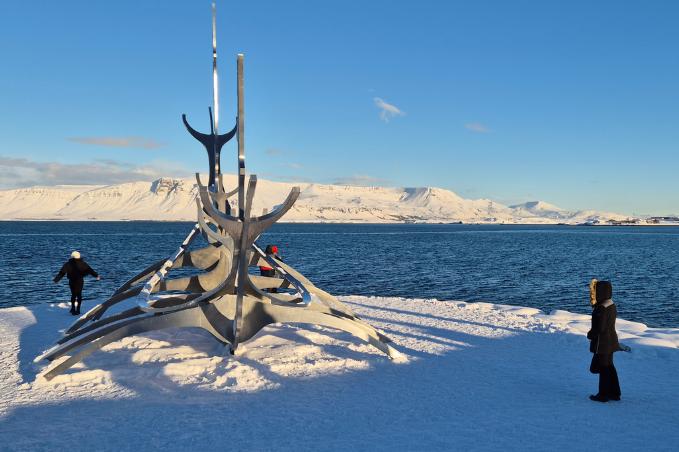
Weather in Reykjavík in February
February in Reykjavík is still deep winter, but daylight begins to make a noticeable return.
Key details to keep in mind:
- Average temperatures: -2°C to 3°C (28-37°F)
- Daylight hours: About 7 hours in early February, and 10 hours by late February
- Sunrise hours: Around 10:00 am at the start, shifting to 8:30 am by the end
- Sunset hours: Around 5:15 pm at the start, shifting to 6:45 pm by the end
- Wind: Can be strong and icy, making it feel colder
- Precipitation: Snow or rain falls on about 15-20 days
When packing for Iceland in February, focus on warmth and practicality. Pack layers: thermal base, wool or fleece mid-layer, and a waterproof jacket. Waterproof hiking boots are essential for icy streets and snowy trails. Add hats, scarves, gloves, and swimwear for hot springs.
Weather shifts quickly, so check forecasts and road conditions before day trips.
Best Things To Do in Reykjavík in February
February in Reykjavík offers a mix of snowy adventures, cultural traditions, and cozy escapes. Here are the best experiences to try if you plan to visit Iceland’s capital in February.
1. Go on Exciting Winter Adventures
Winter opens up some of Iceland’s most thrilling experiences, and February is one of the best months to try them:
- Ice caving tours – Natural blue ice caves inside glaciers, only accessible in winter
- Snowmobiling tours – Speed across snowy landscapes for a true Arctic thrill
- Glacier hiking tours – Walk on frozen giants with crampons
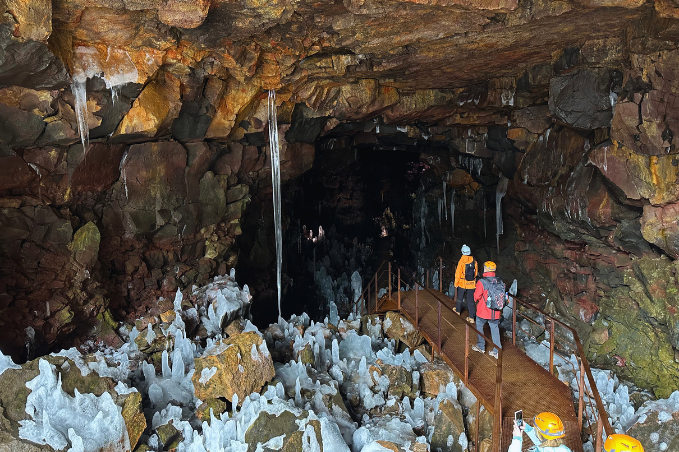
- Lava caving tours – Explore underground chambers decorated with ice
- Snorkeling tours – Swim between tectonic plates in crystal-clear water
- Horse riding tours – Ride Icelandic horses along snowy trails
- Whale watching tours – Spot orcas and dolphins on winter tours
- Golden Circle tours – Þingvellir National Park, Geysir, and Gullfoss in their winter glory
- South Coast tours – Seljalandsfoss, Skógafoss, Reynisfjara, and glacier views around Vík
Driving in Iceland in February can be hazardous with ice and storms. Day tours from Reykjavík are the safest choice. If you plan to self-drive, always check road conditions and register at safetravel.is.
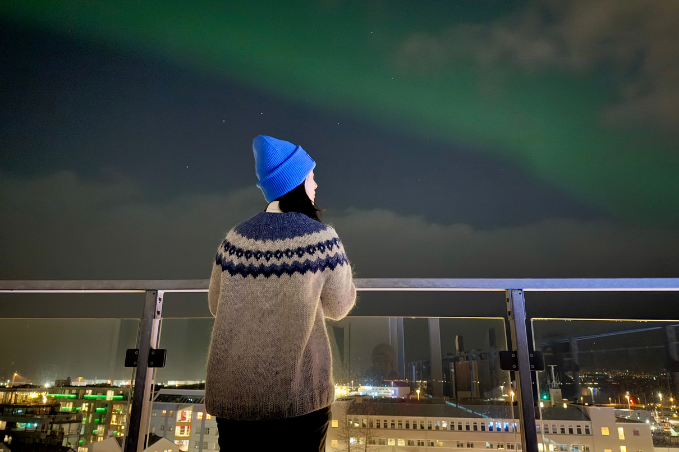
2. Chase the Northern Lights
With long nights and snowy backdrops, February is one of the best months to see the aurora. A northern lights tour gives you the best chance, as guides track weather and locations.
All Center Hotels in Reykjavík provide a northern lights wake-up call service upon request. It’s convenient if the aurora makes a surprise appearance while you’re fast asleep.
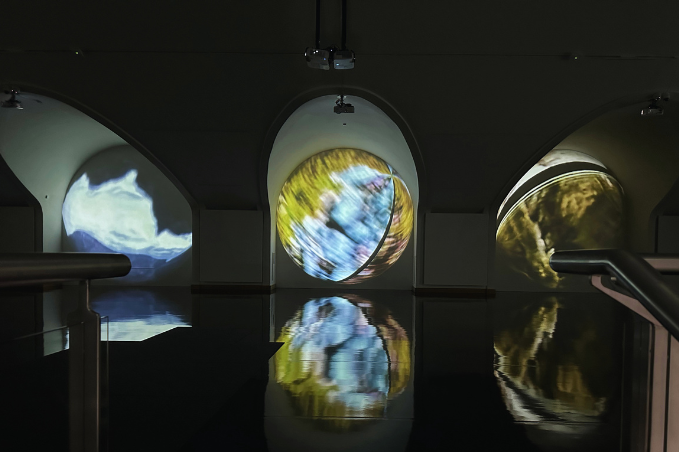
3. Witness the Magical Winter Lights Festival
If you’re in Reykjavík the first weekend of February, don’t miss the Winter Lights Festival. The city comes alive with light shows, art, and concerts celebrating the return of longer days.
Highlights include Museum Night, when institutions open late for free, and Pool Night, with special events in geothermal pools. The Northern Lights Run, a fun run where participants wear glowing accessories, transforms the streets into a glowing parade.

4. Warm Up in Geothermal Pools and Hot Springs
Geothermal pools are a must during winter in Reykjavík [1] . Locals relax in public pools like Laugardalslaug and Sundhöllin, with hot tubs, saunas, and lap pools.
For a scenic soak, visit the Blue Lagoon or the oceanfront Sky Lagoon, where steam rises against frosty air. With some luck, you might even see the northern lights while soaking outdoors.

5. Challenge Yourself with Thorrablot Menus
Visiting Iceland in February gives you the chance to experience Þorrablót, a midwinter festival rooted in old Norse tradition. Many restaurants in Reykjavík offer special menus featuring dishes that Icelanders have enjoyed for centuries.
Adventurous diners can try hákarl (fermented shark) or svið (sheep’s head). Milder choices include hangikjöt (smoked lamb) and rúgbrauð (dark rye bread). Supermarkets also stock Þorrablót items during the season, so you can sample Iceland’s food heritage.
If you’re staying downtown, the Center Hotels Plaza puts you close to many of these spots.

6. Indulge in Bolludagur and Sprengidagur Treats
Not keen on Þorrablót menus? February also brings sweet and hearty traditions.
Bolludagur (“Bun Day”), which falls six weeks before Easter, fills Reykjavík’s bakeries with cream buns topped with chocolate or glaze.
The next day is Sprengidagur (“Eat-Until-You-Burst Day”), Iceland’s Mardi Gras. Families enjoy hearty dishes before Lent, especially saltkjöt og baunir - salted mutton with split-pea soup. Look out for restaurants serving this special meal.

7. See Children in Fun Costumes on Öskudagur
The day after Sprengidagur is Öskudagur, Iceland’s Ash Wednesday. On this day, children dress in costumes and visit shops, singing in exchange for candy. Locals often describe it as Iceland’s version of Halloween, except without the spooky, ghostly theme.

8. Celebrate a Romantic Valentine’s Day
While Valentine’s Day isn’t a long-standing Icelandic tradition, spending a romantic Valentine’s Day in Reykjavík is always an option. Couples can celebrate under the northern lights, relax in a geothermal pool, or join a private food-tasting or sightseeing tour. Some luxury hotels and restaurants also offer special menus and packages for couples on the 14th.
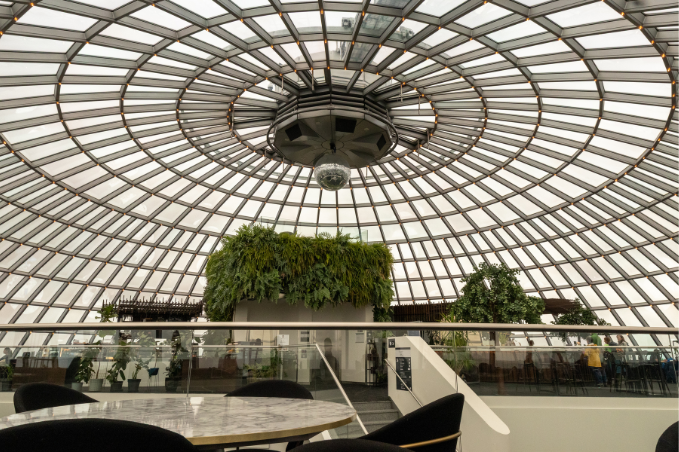
9. Explore Museums and iconic City Attractions
When storms roll in, Reykjavík’s museums and landmarks make perfect indoor escapes. Visit Hallgrímskirkja, Harpa Concert Hall, Perlan, or cultural stops like the National Museum and Reykjavík Art Museum.
Stay at Center Hotels Arnarhvoll for walking access to Harpa and the harbor. Or at Grandi by Center Hotels, close to the Whales of Iceland museum, the Saga Museum, and lively cafés.

Experience Icelandic Winter in Reykjavík in February
Reykjavík in February combines snowy adventures with cultural traditions, such as Bolludagur and the Winter Lights Festival. Longer days open up more opportunities to explore, while clear nights bring the northern lights. It’s a good time to visit Reykjavík for a winter trip that feels both adventurous and authentically Icelandic.
FAQs About Visiting Reykjavík During February
Is February a good time to visit Reykjavik?
Yes! February is an ideal time to visit if you enjoy cold weather, winter activities, fewer crowds, and the northern lights.
Can I see the northern lights in February in Iceland?
Absolutely! February’s long nights make it one of the best months for northern lights tours.
Is Blue Lagoon good in February?
Yes, the Blue Lagoon is especially magical in winter when hot steam rises against the snowy surroundings.
Do I need snow boots in Iceland in February?
Yes, you’ll need sturdy, waterproof boots with good grip for icy streets and snowy trails.
How many hours of daylight does Reykjavík get in February?
About 7 hours at the start of the month, increasing to nearly 10 by the end.