

Guide to Reykjavík in Winter: Things To Do, Weather & Packing Advice
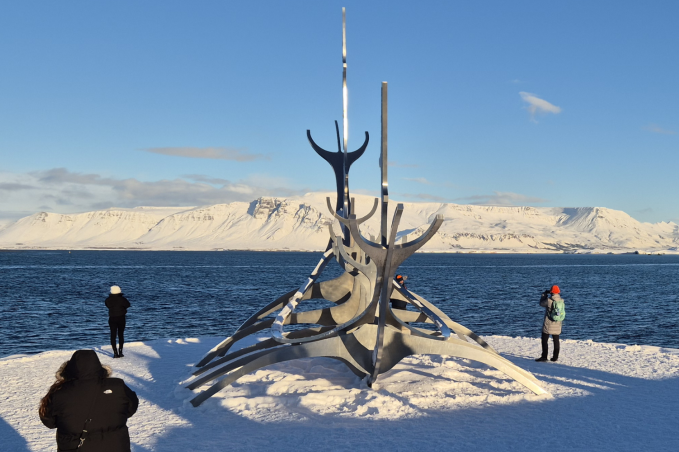
Visiting Reykjavík in winter feels like stepping into another world. The city glows under snowy skies, the air is crisp and cold, and the northern lights often light long nights. Warm cafés invite you in, while hot pools, festive markets, and Icelandic traditions make the season feel cozy and unforgettable.
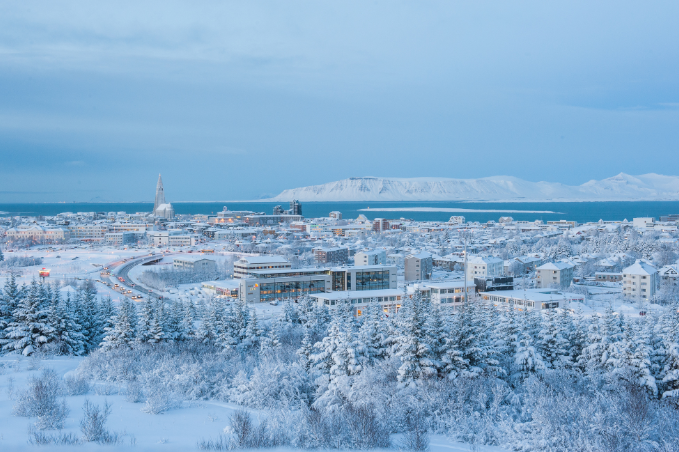
Weather in Reykjavík During Winter
The Icelandic winter lasts from December to February, with snow often persisting from late November to early March.
- Average temperature: -1°C to 3°C (30-37 °F), with January the coldest month
- Daylight hours: About 4–5 hours in December, increasing to 7-8 hours by February
- Precipitation: 80–100 mm (3-4 in) per month, much of it falling as snow
- Wind: Strong gusts and coastal storms are frequent
In December, the sun rises at approximately 11:20 am and sets around 3:30 pm. It gives only a few hours of daylight but breathtaking twilights. The weather is unpredictable, so plan flexibly.
For the up-to-date forecasts, visit the Icelandic Met Office website.
Best Things To Do in Reykjavík in Winter
Wondering what to do in Reykjavík during winter days? The season may be chilly and dark, but that’s what makes it so inviting. Here are the top experiences to try on your trip to Iceland’s capital.
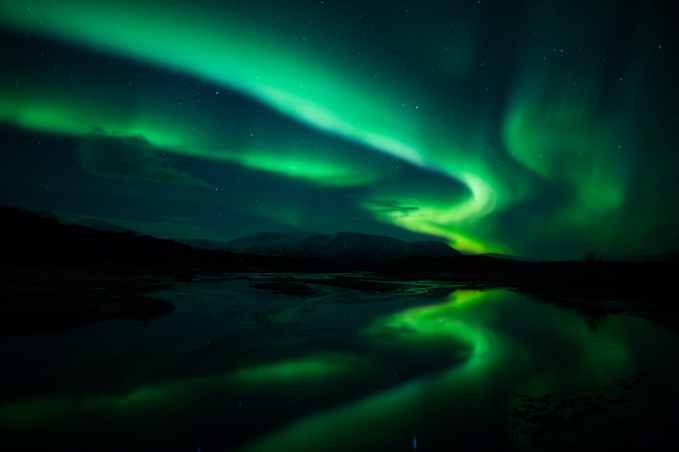
1. Chase the Northern Lights
Long nights give you a good chance to spot the aurora borealis in Reykjavík. Head to the coast or a park away from streetlights for clearer skies.
Tip: Stay at Center Hotels, where you can request northern lights wake-up calls. Grandi by Center Hotels is a great choice for sweeping harbor and night sky views.
2. Relax in Geothermal Pools and Hot Springs
Want to warm yourself up? Explore Reykjavík's 18 public geothermal swimming pools.
Highlights include:
- Árbæjarlaug – relaxed and family-friendly with fun slides
- Laugardalslaug – the city’s largest pool, with slides and saltwater tubs
- Nauthólsvík Geothermal Beach – a sandy shore with hot water by the sea
- Sundhöll Reykjavíkur – the oldest pool, now with saunas and a cold plunge
Bonus: For a luxury spa experience, visit Sky Lagoon, just outside the city.
3. Experience Winter Wonderland at Christmas
Reykjavík in December often enjoys a white Christmas. The city glows with lights, markets, and festive villages, where you can meet the mischievous Yule Lads. Ice skating rinks and seasonal Icelandic food, such as smoked lamb and laufabrauð, add to the holiday charm.
4. Witness the Winter Lights Festival
Reykjavík in February celebrates the return of longer days with the Winter Lights Festival. This is when the city gets filled with over 150 light installations. You can join Museum Night, when museums stay open late, or Pool Night, featuring special programs at geothermal pools.
5. Explore Indoor Attractions
Cold nights and stormy days call for indoor attractions where you can stay warm and experience Iceland’s culture and landscapes.
- Perlan – walk through an indoor ice cave and catch the Aurora Planetarium show
- FlyOver Iceland – a 20-minute immersive ride that simulates flying above Iceland
- Harpa Concert Hall – a glass landmark on the harbor, especially beautiful at night
- Hallgrímskirkja Church – Reykjavík’s most iconic church with sweeping views on top
If you plan to explore the city, get a Reykjavík City Card for access to cultural sites and bus transportation.
6. Enjoy Icelandic Kaffitímar and Nightlife
Cold weather makes Reykjavík’s cafés especially cozy. Join locals for kaffitímar, the coffee-and-pastry break that brightens dark afternoons. After sunset, head to Laugavegur Street, where pubs and bars stay lively late into the night.
7. Take Winter Day Trips from Reykjavík
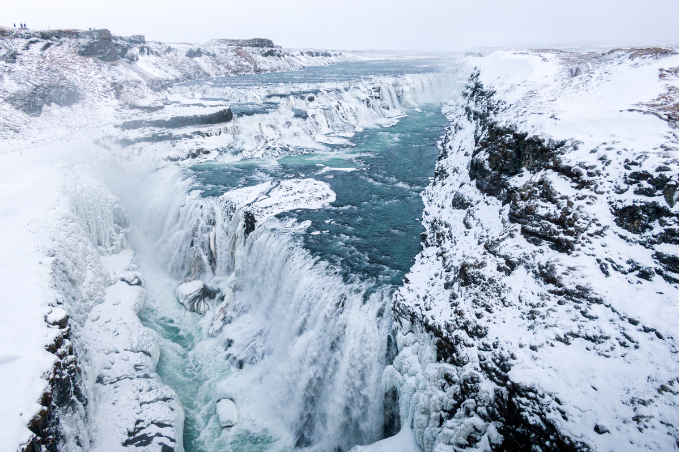
The city is also a great base for exploring Iceland’s landscapes. Popular winter day trips from Reykjavík include Golden Circle Tours (Þingvellir National Park, Geysir, and Gullfoss Waterfall). Also, South Coast Tours, which feature waterfalls and black-sand beaches.
What to Pack for Your Winter Trip in Reykjavík
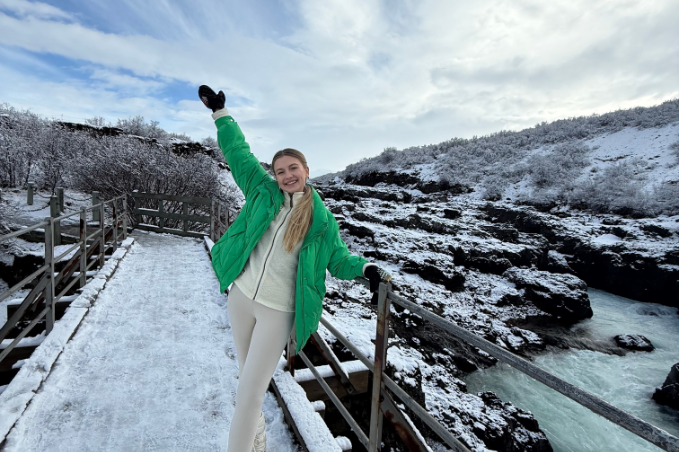
Pack smart for cold, wind, and darkness, but don’t forget the small essentials that make winter travel easier.
- Thermal base layers – for staying warm
- Warm accessories – hat, scarf, and gloves
- Swimsuit – for a geothermal spa or pool visit
- Insulated, waterproof jacket – windproof is a must
- Wool sweaters – Icelandic lopapeysa is a cozy choice
- Waterproof boots with a good grip – for icy sidewalks
- Moisturizer and lip balm – the cold, dry air can be harsh
- Spare batteries for cameras – cold weather drains power quickly
Why Winter in Reykjavík Is Unforgettable
Reykjavík in winter is cold and dark, yet that contrast is its greatest charm. Snowy streets, glowing lights, and steaming pools set a scene you won’t find anywhere else. With the northern lights, soft daylight, and warm traditions, the city reveals a different side of Iceland. It’s one you can only truly understand when you experience it yourself.
FAQs About the Winter in Reykjavík
Is Reykjavík worth visiting in winter?
Yes, it offers snowy scenery, winter attractions, and the chance to see the northern lights.
Can I see the northern lights in Reykjavík in December?
Yes, nights are long, though dark spots outside the city give you the best chance.
What is the snowiest month in Reykjavík?
January and February tend to be the snowiest months, though snowfall can occur from November through March.
Is it dark all day in Reykjavík during winter?
No, even in December, you get about 4-5 hours of daylight, with extended twilights.
Can I wear jeans in Iceland in winter?
Yes, but wear thermal base layers underneath for warmth and comfort.