

Guide to Reykjavík in January: Things To Do, Winter Vibes & Weather
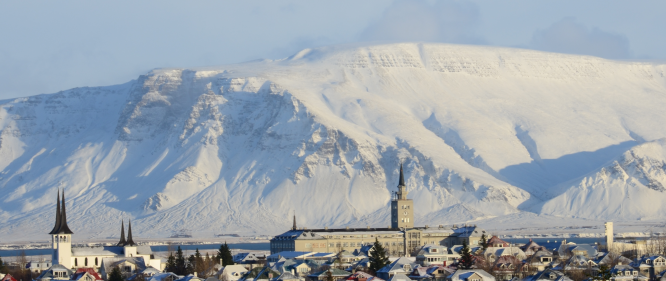
What’s Reykjavík Like in January?
January marks the middle of winter in Reykjavík. It’s characterized by snowy streets, cold air, and a slower pace compared to summer or the December holidays. It’s also one of the quietest months to visit, with fewer tourists and lower prices on flights, hotels, and tours.
Yet the city is far from still. Northern lights hunting, ice caving, snowmobiling, and glacier hikes are at their peak. At the same time, Golden Circle and South Coast trips showcase frozen waterfalls and snowy landscapes. Back in town, geothermal pools offer a warm break from the cold.
Weather in Reykjavík in January
January is one of Iceland’s darkest and coldest months, with only 4-5 hours of daylight and temperatures near freezing. Expect a mix of snow, rain, and winds shaping the winter atmosphere.
Quick facts about Reykjavík weather in January:
-
Average temperatures: -1°C to 3°C (30-37°F)
-
Daylight hours: About 4-5 hours per day
-
Rainfall: Around 80-100 mm (3-4 in) over 15-20 days
-
Wind: Strong gusts are common and can make it feel colder
Travelers should be prepared for unpredictable weather. Pack warm base layers, a waterproof and windproof jacket, insulated boots, gloves, and a hat. Bring lip balm and moisturizer for the dry air, plus swimwear for geothermal pools.
Since storms are common, it’s wise to check the Icelandic Met Office for reliable forecasts before heading out.
7 Best Things To Do in Reykjavík in January
Cold and dark as it may be, January offers some of Reykjavík’s best winter experiences. Here are the top activities to enjoy during this quiet season.
1. Try Exciting Winter Activities
January is prime season for winter adventures. Tours to the Golden Circle, South Coast, and Snæfellsnes Peninsula showcase Iceland’s icy landscapes.
Popular Icelandic winter activities include:
-
Ice caving – Explore crystal-blue caves in Vatnajökull or Langjökull.
-
Snowmobiling – Glide across Langjökull’s glacier plains.
-
Glacier hiking – Trek with crampons on Sólheimajökull.
-
Snorkeling – Dive into Silfra Fissure’s clear waters.
-
Lava caving – See frozen formations in Raufarhólshellir.
-
Horse riding – Ride Icelandic horses through snowy fields.
Due to unpredictable weather, guided day tours from Reykjavik are safer than traveling alone. Driving in Iceland in January can be challenging. If you plan to self-drive, always check the weather forecast and road conditions before setting out.
2. Chase the Northern Lights
With long nights, January is one of the best times to see the northern lights in Reykjavík. Within the city, you can sometimes spot them at places like Öskjuhlíð Hill or Klambratún Park. Prefer to stay indoors? Center Hotels offer a northern lights wake-up call so you won’t miss the show.
3. Experience the Thirteenth of Christmas
In Iceland, the Christmas season ends on 6 January, known as Þrettándinn or the Thirteenth Day of Christmas. Reykjavík marks the occasion with bonfires across the city. Folklore comes alive with appearances by elves, trolls, and other mythical figures. And leftover New Year’s fireworks often light up the sky once more.
4. Relax in Geothermal Pools and Hot Springs
One of the best ways to enjoy Reykjavík in January is by soaking in its many geothermal pools. The city has 18 public swimming pools that often feature hot tubs, steam rooms, and saunas. For a spa-like experience, head to the Blue Lagoon (45 minutes from the city) or the newer Sky Lagoon nearby.
5. Celebrate Þorrablót with the Locals
From mid-January to mid-February, Icelanders celebrate Þorrablót, a mid-winter feast rooted in Norse tradition. Expect svið (boiled sheep’s head), hákarl (fermented shark), and hrútspungar (ram’s testicles), often washed down with brennivín, Iceland’s signature spirit.
Staying at Center Hotels Plaza or Center Hotels Laugavegur? Then, you’ll be within walking distance of several downtown restaurants that take part in the celebrations.
6. Attend the Dark Music Days Festival
If you enjoy contemporary music, Reykjavík’s Dark Music Days Festival is a highlight of late January. This festival showcases new and experimental works by Icelandic and international composers. Concerts are held at venues such as Harpa Concert Hall, making the performances as visually striking as they are atmospheric.
7. Watch the Reykjavík International Games
For sports fans, January in Reykjavík brings the Reykjavík International Games. It’s a multi-sport event in mid-January that attracts both local and international athletes. Competitions cover a wide range of disciplines, including athletics, swimming, weightlifting, and climbing.
Enjoy a Quiet January Winter in Reykjavík
January is one of the quietest months in Reykjavík, but it’s also one of the most rewarding. With fewer visitors, you can enjoy the city at a slower, more local pace. Try everything, from bonfires on Þrettándinn to traditional feasts during Þorrablót.
The long nights and snowy landscapes also set the stage for northern lights hunting, ice caving, and relaxing in pools. If you’re planning a winter trip to Iceland, Reykjavík in January may surprise you with just how much it offers.
FAQs About Exploring Reykjavík During January
Can I see the northern lights in Reykjavík in January?
Yes, long nights make January one of the best months to spot them.
Can you do the Golden Circle in January?
Yes, tours run year-round, though winter roads make guided trips safer than self-driving.
Is it too cold to go to Iceland in January?
It’s cold, with average temperatures of -1°C to 3°C (30–37°F), but manageable with proper winter clothing.
What to wear in Iceland in January?
Layer up with thermals, a waterproof jacket, insulated boots, gloves, and a hat. Bring swimwear for geothermal pools.
Is Iceland expensive in January?
Iceland is generally expensive, but January is considered the low season, so flights, hotels, and tours are often more affordable.