

How to Do the Golden Circle from Reykjavík
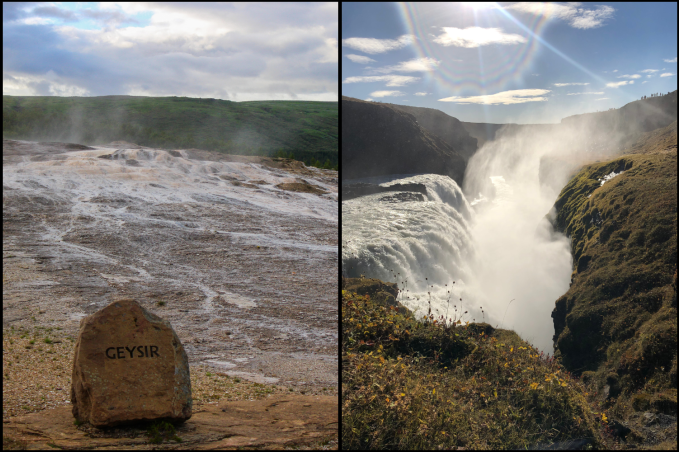
If there’s one road trip you absolutely can’t miss, it’s the Golden Circle Iceland from Reykjavík. In just a few hours, you’ll stand between continents, watch geysers shoot, and feel the mist of a roaring waterfall. It’s the ultimate sampler of everything that makes Iceland unforgettable.
Ready to see why this route is at the top of every traveler’s list? Let’s dive in.
What is the Golden Circle in Iceland?
The Golden Circle is Iceland’s most famous sightseeing route. It’s also the easiest way to experience the country’s dramatic landscapes in a single day. This scenic loop covers about 300 km (186 mi). And you can complete it as a round trip from Reykjavík in 6-8 hours, depending on your stops and detours.
The route connects three iconic attractions. Þingvellir National Park is where the North American and Eurasian tectonic plates drift apart. The Geysir geothermal area is home to the active Strokkur geyser. And Gullfoss waterfall is a powerful two-tiered cascade of glacial water.
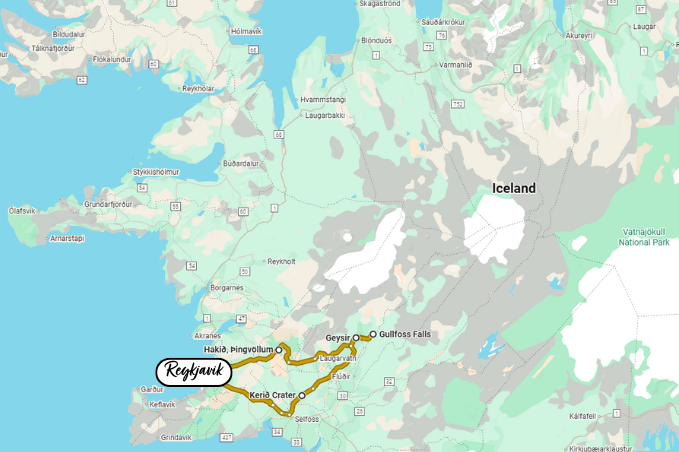
How to Do the Golden Circle Iceland from Reykjavík?
The Golden Circle can be explored in two main ways: either by self-drive or through a guided day tour. Both cover the same highlights, but offer different experiences.
Self-Drive Tours from Reykjavík
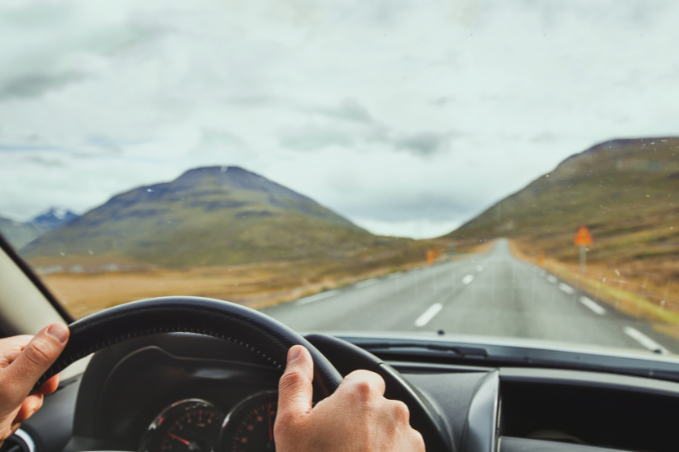
Renting a car gives you freedom to set your pace, take detours, and stop whenever you like. Roads are well-marked and easy in summer, though winter driving can be icy and requires extra caution.
Guided Tours from Reykjavík
If you’d rather not drive, guided day tours from Reykjavík are stress-free with hotel or bus stop pick-up. Choices range from budget buses to small groups and super jeeps. These also often come with combo add-ons like the Blue Lagoon or northern lights.

Key Stops on the Golden Circle in Iceland from Reykjavík
The Golden Circle is a compact loop featuring three main highlights, along with bonus stops and hidden gems. Here’s a guide to each stop with practical tips to help you make the most of your visit.
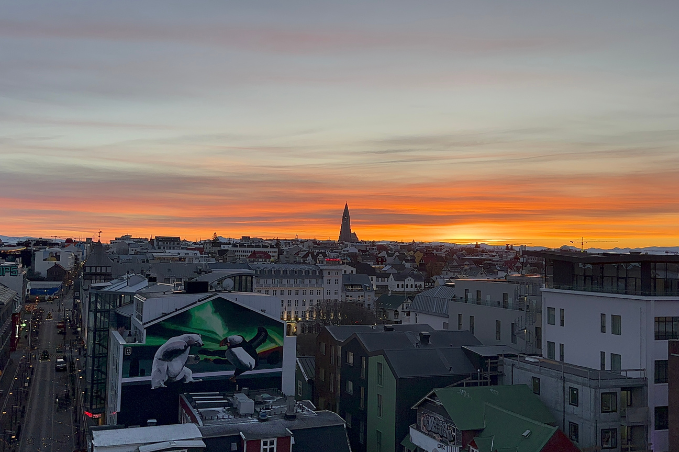
Starting Point: Reykjavík
Reykjavík is the ideal base for exploring the Golden Circle route. That’s because the entire loop can be comfortably completed as a day trip.
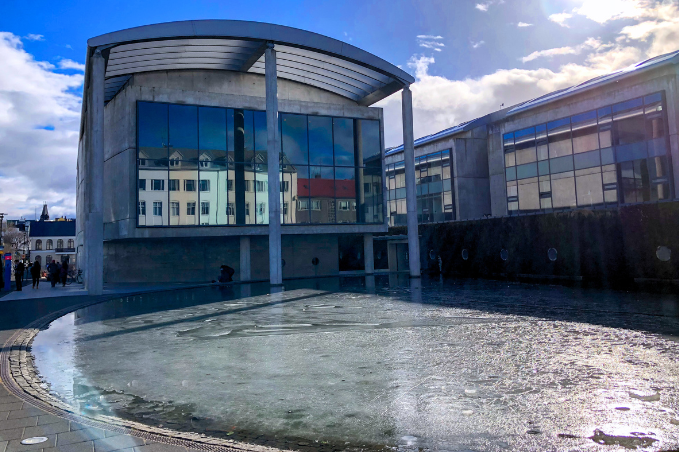
Guided tours utilize central bus stops for pick-ups and drop-offs. And many Center Hotels are conveniently located nearby, making them an ideal place to stay. Center Hotels Plaza, for instance, is just a three-minute walk from Reykjavík City Hall. It’s one of the main departure hubs where you can also book tours.
Detour from Reykjavík to Þingvellir National Park
Þórufoss Waterfall: A scenic cascade tucked away in the countryside
First Stop: Þingvellir National Park
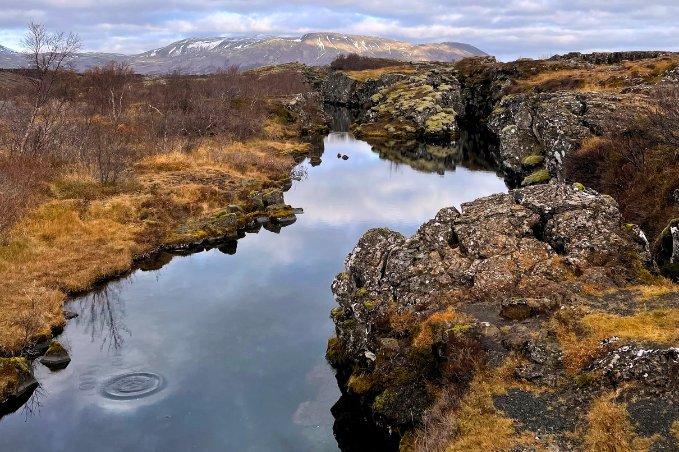
If you’re driving the Golden Circle clockwise from Reykjavík, Þingvellir National Park is your first stop. It’s the largest attraction on the route and a UNESCO World Heritage Site, renowned for both its history and geology.
Þingvellir was the site of Iceland’s first parliament, founded in 930 AD. The park also lies in a dramatic rift valley where the North American and Eurasian tectonic plates drift apart. The highlight is the Almannagjá gorge, where you can literally walk between continents. The Öxará river flows through the canyon and forms the scenic Öxarárfoss waterfall. For something more adventurous, you can snorkel or dive in the crystal-clear waters of Silfra fissure.
Things to Know about Þingvellir National Park
Time Needed: 2-3 hours
Distance from Reykjavík: About 46 km (28.5 mi), 45 minutes by car
Entrance Fee: Free
Parking Fee: Small fee (payable at machines)
Nearby Gas Station: In Mosfellsbær, before reaching the park
Facilities: Visitor center, restrooms, small café
Detours from Þingvellir to Geysir
Laugarvatn Fontana Geothermal Baths: Geothermal spa and bakery Efsti-Dalur II Farm: Family-run dairy farm with ice cream and a restaurant Brúarfoss Waterfall: A hidden gem known for its vivid blue glacial water
Second Stop: Geysir Geothermal Area
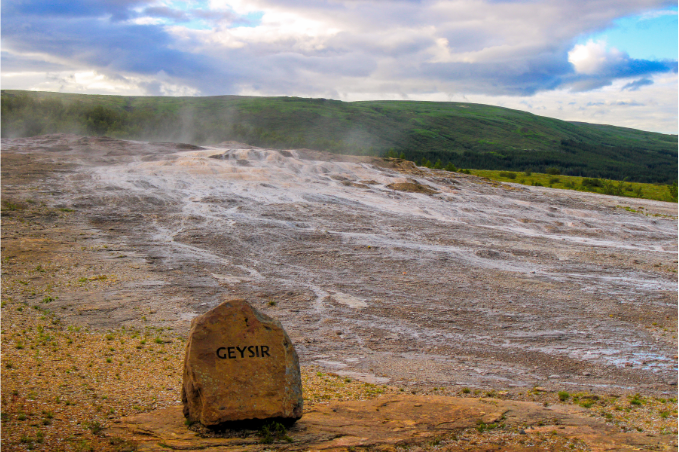
Next is the Geysir geothermal area, where Iceland’s volcanic power comes alive. The original “Great Geysir” rarely erupts today. But nearby Strokkur shoots boiling water 20-40 m (66-131 ft) into the air every few minutes.
The area also features smaller geysers, such as Smiður and Litli-Strokkur. As well as steaming vents and mineral pools that cause the ground to bubble and hiss. Locals also use geothermal heat to bake rye bread underground, a tradition you can try during your visit.
Things to Know about Geysir Geothermal Area
Time Needed: 1 hour
Distance from Þingvellir: About 47 km (29 mi), 40 minutes by car
Entrance Fee: Free
Parking Fee: Free
Nearby Gas Station: Near the visitor center
Facilities: Visitor center, souvenir shop, restrooms, café/restaurant
Third Stop: Gullfoss Waterfall
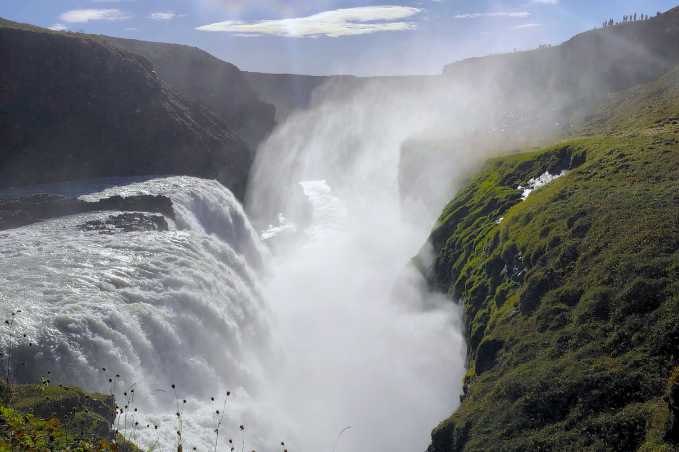
The final major stop is Gullfoss, the “Golden Falls.” Fed by the glacial Hvítá River, the waterfall drops 32 m (104 ft) in two stages into a rugged canyon. The spray often creates near-permanent rainbows, making it one of Iceland’s most photographed sights.
In summer, Gullfoss roars with glacial meltwater, while in winter, icy formations add a dramatic touch. Viewing platforms offer sweeping panoramas and close-up angles, so be sure to bring a waterproof jacket to protect against mist. Gullfoss is also a launch point for adventures like snowmobiling on Langjökull Glacier or rafting on the Hvítá River.
Things to Know about Gullfoss Waterfall
Time Needed: 45 minutes to 1 hour
Distance from Geysir: About 10 km (6 mi), 10 minutes by car
Entrance Fee: Free
Parking Fee: Free
Nearby Gas Station: Near the Geysir visitor center
Facilities: Visitor center, restrooms, gift shop, café/restaurant
Detours from Gullfoss to Kerið
Faxi Waterfall: A smaller but wide cascade on the Tungufljót River Secret Lagoon: Natural hot spring in Flúðir, popular for bathing year-round Laugarás Lagoon: New family-friendly thermal lagoon with geothermal pools Friðheimar Farm: Greenhouse restaurant known for tomato dishes and horse shows
Bonus Stop: Kerið Volcano Crater
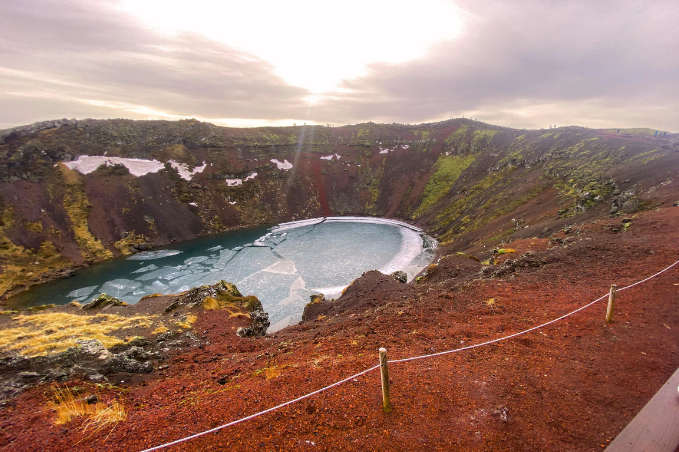
On the way back to Reykjavík, you may stop at Kerið, a volcanic crater lake about 3,000 years old. Aside from its size, it’s known for its vivid turquoise water set against red volcanic slopes. A short path leads around the rim, while another trail descends to the lake’s edge for a different perspective.
In summer, the bright colors make Kerið especially photogenic. Meanwhile, in winter, it often turns into a snowy amphitheater with ice on the lake’s surface.
Things to Know about Kerið Crater
Time Needed: 30-45 minutes
Distance from Gullfoss: About 56 km (35 mi), 1 hour by car
Entrance Fee: Small fee
Parking Fee: Included in entrance fee
Nearby Gas Station: In Selfoss, a short drive away
Detours from Kerið to Reykjavík
Hveragerði: Geothermal town known for hot springs and greenhouses Reykjadalur Hot Springs: Hiking trail to a natural hot river for bathing
End Point: Reykjavík
Completing the tour of the Golden Circle brings you back to Reykjavík, the ideal base for day and night tours. Many operators offer combo tours, pairing the route with extras such as the Blue Lagoon, the South Coast, or horseback riding. Back in the city, you can continue your adventure with a whale watching cruise or a city sightseeing tour. Or, in winter, an excursion to chase the northern lights.
Best Time to Do the Golden Circle in Iceland
The Golden Circle is a scenic route in Iceland that can be enjoyed year-round. It offers a distinctly different experience in each season.
Summer (June-August): Long days under the midnight sun, mild weather, and easy driving. However, expect crowds at the main sites.
Autumn (September-October): Cooler temperatures and fewer tourists, with vibrant fall colors and better chances to see the northern lights.
Winter (November-March): Snow-covered landscapes and frozen waterfalls create a magical setting, plus excellent northern lights viewing. Roads can be icy, so guided tours are best if you’re not used to winter driving.
Spring (April-May): Waterfalls swell with snowmelt, wildflowers begin to bloom, and the route is quieter before the summer rush. However, some roads may still be muddy or icy.
Why the Golden Circle Iceland from Reykjavík is Worth It
The Golden Circle Iceland from Reykjavík is one of those rare trips where every stop impresses. At Þingvellir, you walk between tectonic plates, at Geysir, you watch Strokkur erupt, and at Gullfoss, you admire a glacier-fed waterfall. Add Kerið crater, hot springs, or a farm-to-table meal, and the day becomes a journey through Iceland’s greatest hits.
Best of all, it’s easy. The loop is short, the roads are good, and it fits neatly into a single day from the capital. By evening, you’ll be back in Reykjavík, ready for dinner or even a northern lights chase in winter.
This Golden Circle adventure is convenient, varied, and unforgettable — a don’t-miss experience for every Iceland itinerary.
FAQs About Exploring the Golden Circle from Reykjavik
Is the Golden Circle worth visiting?
Yes! In one short drive from Reykjavík, you can see Þingvellir National Park, Geysir geothermal area, and Gullfoss waterfall. It’s a day trip packed with history, geology, and stunning landscapes.
Where is the Golden Circle in Iceland?
The Golden Circle is located in southwest Iceland, starting and ending in Reykjavík, and covering approximately 300 km (186 mi).
How long does it take to do the Golden Circle from Reykjavik?
It typically takes 6-8 hours to complete the loop, depending on the number of stops and detours.
Is the Blue Lagoon part of the Golden Circle?
No. It’s near Keflavík Airport, but many tours offer combo trips that include both.
Is the Golden Circle free?
Yes. The main sites are free to visit, although parking fees may apply.