

How to Travel Responsibly in Iceland
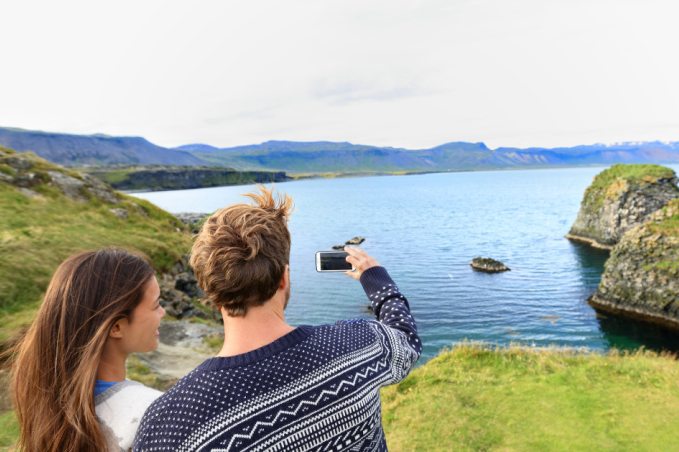
Explore like a local – protect what you came to see
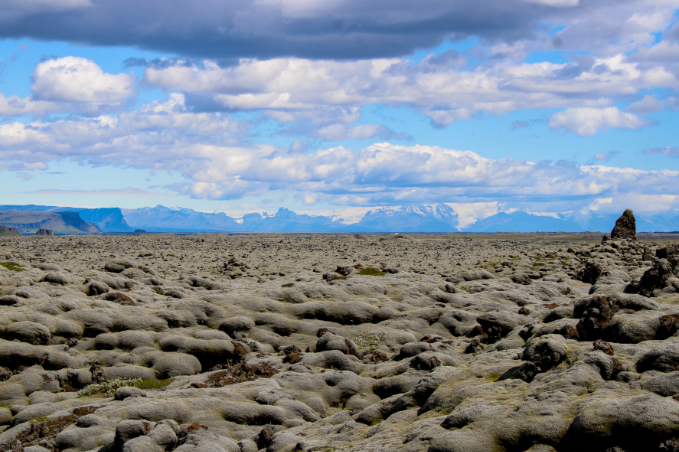
Iceland’s landscapes can feel wild, untouched and endless. Lava fields stretching to the horizon, waterfalls crashing through valleys and moss that looks soft enough to lie down on.
But here’s the thing: Icelandic nature is beautifully fragile.
Some of the moss you see growing across lava fields has been there for 50–100 years. One careless step can destroy decades of growth. That’s why responsible tourism matters so much here.
When you explore Iceland, you’re not just visiting nature.
You’re helping protect it.
The Golden Rule: Don’t Step on the Moss
That fluffy green moss you see across lava fields may look like nature’s carpet. It isn’t.
It grows incredibly slowly and once damaged, it can take decades to recover. In some places it never fully grows back.
So our simple rule is:Look, photograph, admire… but keep your feet on the path.
You’ll see marked trails and viewing platforms across Iceland. They are there to protect the landscape so everyone can enjoy it for generations.
Stay on Marked Paths
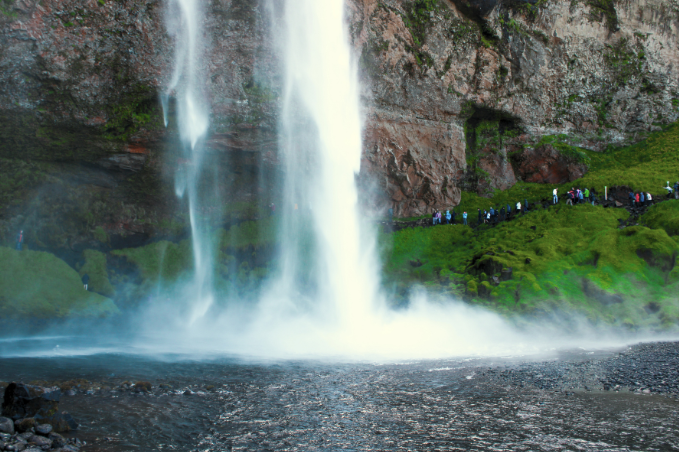
Whether you’re exploring lava fields, geothermal areas or national parks, trails are your best friend.
They help to protect delicate plants and moss and keep visitors safe
Popular places near Reykjavík like Þingvellir National Park, Reykjadalur hot spring valley and the Reykjanes peninsula all have clearly marked walking paths.
Follow the trails and you’ll still see everything you came for — just without leaving a footprint that lasts for years.
Leave No Trace
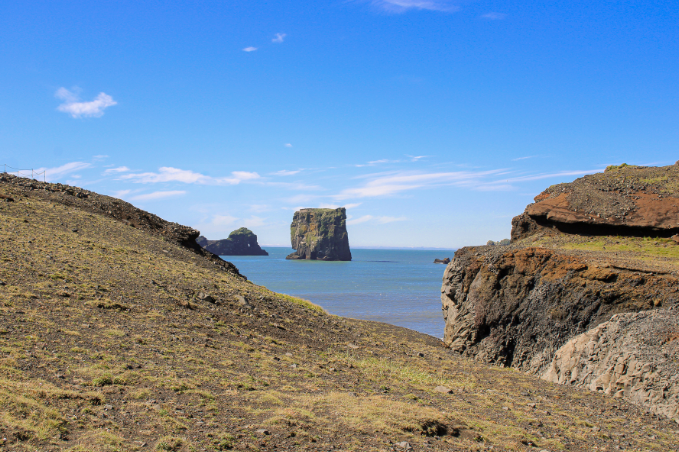
The best travellers are the ones who leave a place exactly as they found it. So, when exploring Iceland’s nature, please, take all trash with you, avoid stacking stones or moving rocks, respect fences and signs and leave plants, lava and moss untouched
A good rule to remember: Take photos, leave only footprints on the trail.
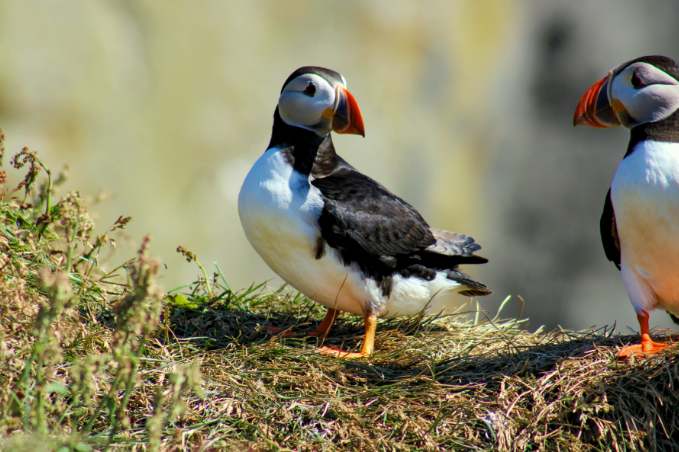
Respect Wildlife
Iceland may not have big predators, but we have plenty of wildlife that needs space.
During the summer especially, many areas are bird nesting grounds. Disturbing these areas can cause birds to abandon their nests.
If you see wildlife, please keep your distance, don’t feed animals and just enjoy the moment quietly
Nature works best when we are just visitors.
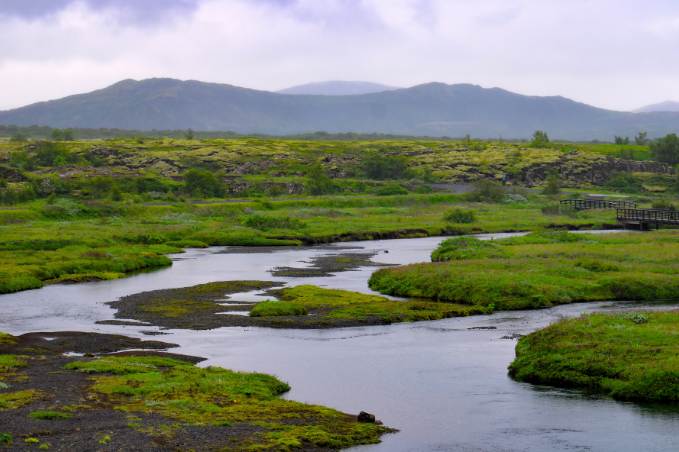
Discover Iceland’s Cultural Landscapes
Many natural sites in Iceland also carry centuries of history.
Places like Þingvellir, the birthplace of Iceland’s parliament over 1,000 years ago, are both natural wonders and cultural landmarks.
When visiting historic locations, please follow marked walkways, respect ruins and protected areas and take time to read the information signs
You’re walking through stories that shaped the country.
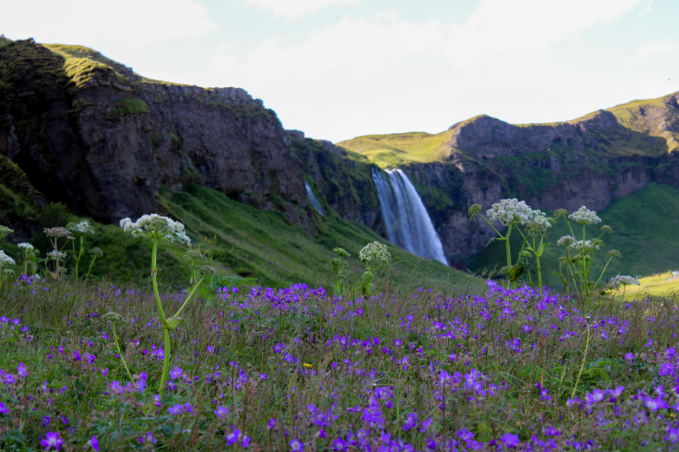
Traveling Responsibly – Together
At Center Hotels, we believe experiencing Iceland should go hand in hand with protecting it. That’s why our hotels are proud to have the Green Key certification, an international sustainability standard for tourism.
By sharing tips and encouraging mindful travel and supporting environmental initiatives, we do hope we are able to help our guests to explore Iceland responsibly.
Because the best way to experience Iceland is simple: Travel like a guest. Respect nature like a local.
FAQ – Responsible Travel in Iceland
What are the most important rules for tourists visiting Iceland?
Iceland’s nature is beautiful but fragile. Visitors are encouraged to stay on marked paths, avoid stepping on moss, respect signs and fences and leave natural areas exactly as they were found.
Why is it important not to walk on moss in Iceland?
The moss that grows across lava fields can take 50–100 years to develop. Once damaged, it can take decades to recover. Keeping to marked paths helps protect these landscapes.
Where can I check travel safety information in Iceland?
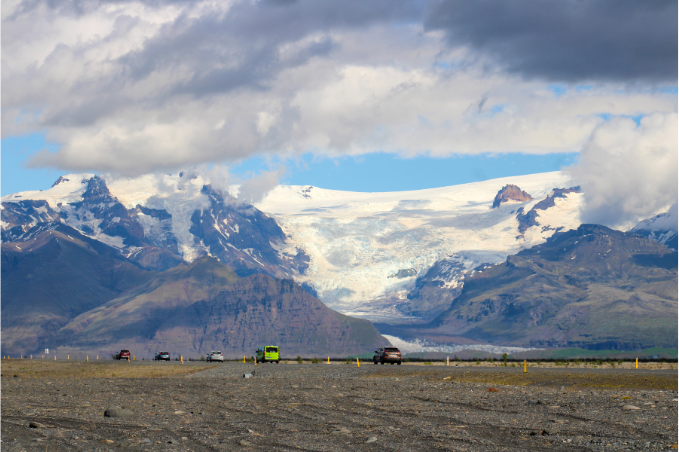
Weather, road conditions and natural hazards can change quickly. A helpful place to check before heading out is safetravel.is, where you’ll find safety tips, alerts and guidance for exploring Iceland safely.
Is Iceland safe for tourists exploring nature?
Iceland is generally very safe, but nature can be unpredictable. Following marked trails, respecting warning signs and checking safety information before travelling can help you enjoy the country safely.
How can travellers visit Iceland more responsibly?
Responsible travel can be simple: stay on trails, respect wildlife, support local businesses and choose accommodations that prioritise sustainability.
What is Green Key certification at Center Hotels?
Green Key is an international sustainability certification for tourism businesses. It recognises hotels that actively work to reduce environmental impact and promote responsible travel. You can learn more about our sustainability efforts on our Green Key page.