

Chasing the Northern Lights in Iceland
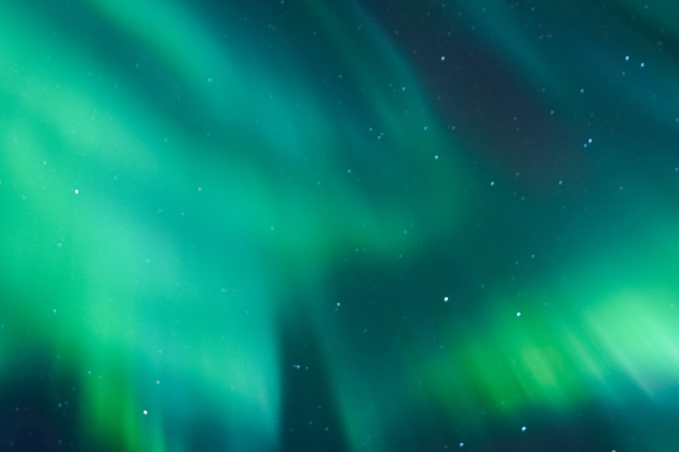
Iceland is one of the best places in the world to see the northern lights. Perched near the Arctic Circle, the country offers vast open skies, minimal light pollution, and dramatic landscapes that create the perfect stage for this natural show. For centuries, people saw the aurora as a mystery. Some feared it as a bad omen, while others believed it was a message from ancestors. Today, science explains the magic, but the wonder remains.
The Science Behind the Northern Lights
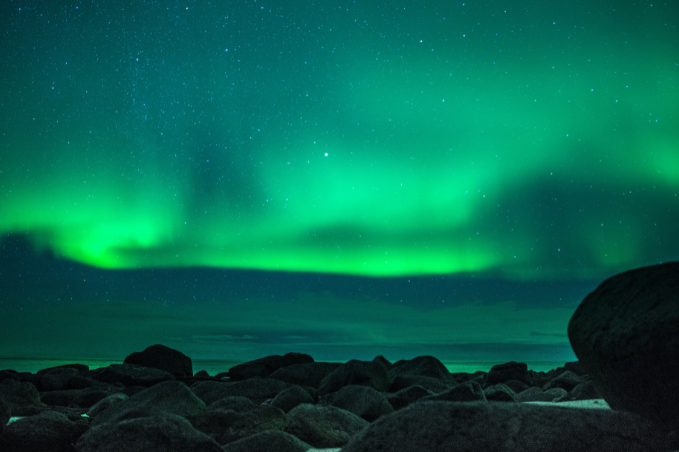
The northern lights, or aurora borealis, are caused by the sun. The sun sends charged particles into space. When they reach Earth, they collide with gases in the atmosphere.
• Oxygen creates green and red colors.
• Nitrogen creates purple and blue tones.
The Earth’s magnetic field directs these particles to the poles. The result is the dancing lights across the Arctic skies. Why winter? Darkness matters. To see them, you need clear skies and little to no light pollution. Winter nights are long and dark, which explains why the northern lights are linked with cold weather.
Where to See the Northern Lights in Iceland
You don’t need to travel far to spot the aurora. Reykjavik itself has good viewing areas if the skies are clear.
Top spots include:
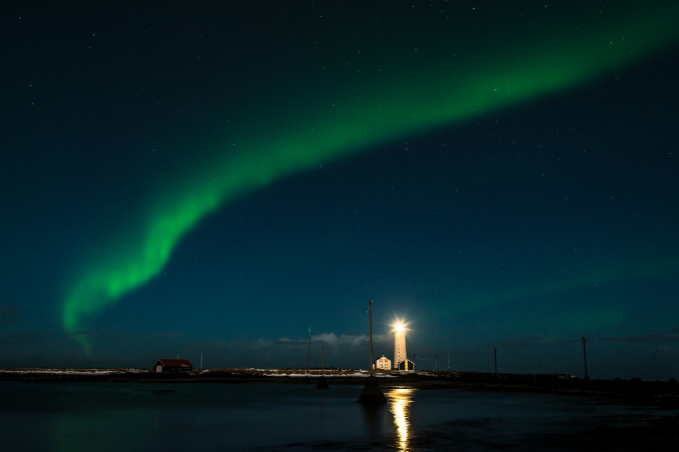
• Grótta Lighthouse – on the edge of the city, away from most street lights.
• Sun Voyager Sculpture – a beautiful seaside spot with views of the horizon.
• Perlan Hill – offers 360-degree views over the capital.
If you have a car, you can drive to:
• Heiðmörk Nature Reserve
• Hvalfjörður Fjord
• Þingvellir National Park
These places are close enough for a short trip but dark enough for clear views. Always park safely and use designated areas.
Tips for the Best Experience
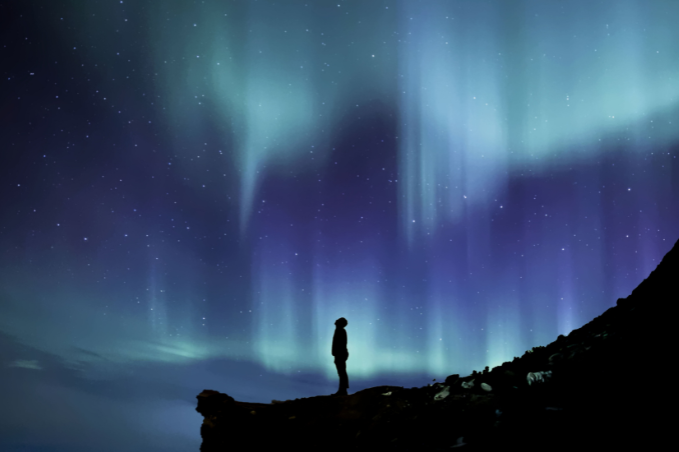
The aurora is unpredictable, but you can prepare. •
Dress warmly.
Nights are cold, even in autumn and spring. Layers are key. •Check the forecast.
Aurora activity depends on solar wind and cloud cover. •Use a tripod.
Long exposure photography needs stability to capture the colors. •Be patient.
Sometimes the lights appear quickly, sometimes after hours. •Take it in.
Watch with your eyes before focusing on photos.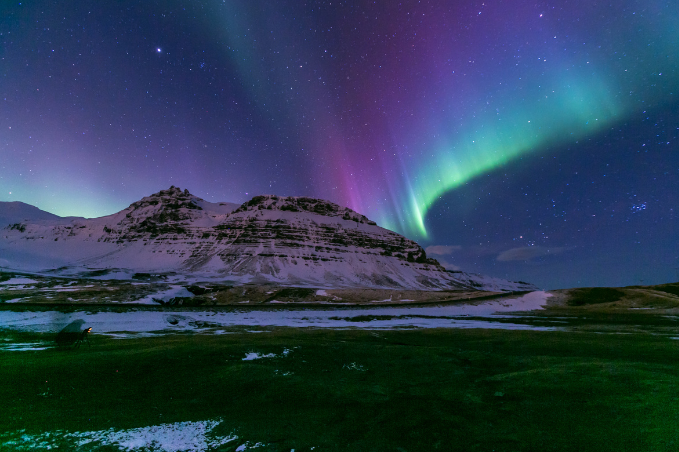
FAQs About the Northern Lights
When is the best time to see the northern lights in Iceland?
From September to mid April. These months have the darkest skies.
How long do the lights last?
It varies. Sometimes a few minutes, sometimes hours.
Are they guaranteed?
No. The aurora is natural and unpredictable. Clear, dark skies increase your chances.
A Natural Wonder Worth Waiting For
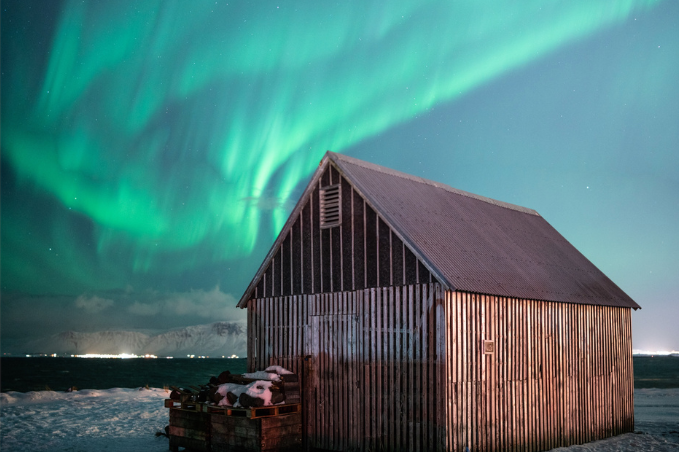
The northern lights are more than a scientific event. They are a reminder of the connection between Earth and the cosmos. Whether you see them from Reykjavik or deep in the countryside, the experience will stay with you forever.
Northern Lights Offer
Stay like a local and get 25% discount on your Reykjavik city center stay during the Northern Light season 2025-2026. Get more info and book your stay here.