

Slow Travel in Iceland: A More Meaningful Way to Explore
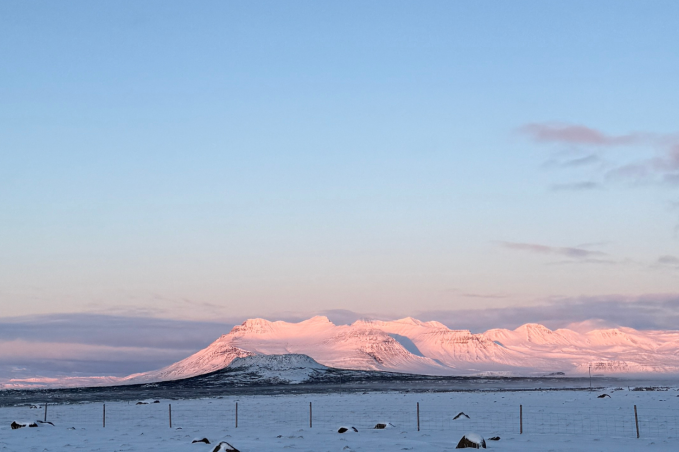
Slow travel in Iceland offers a different way to experience the country.
It focuses on depth, not speed. It´s about spending more time in fewer places.
Instead of rushing between sights, settle into a slower rhythm.
Notice small details, enjoy local life and the changing landscapes.
This approach suits Iceland well. Distances are long and nature invites you to pause.
From quiet villages to coastal walks, there is space to slow down.
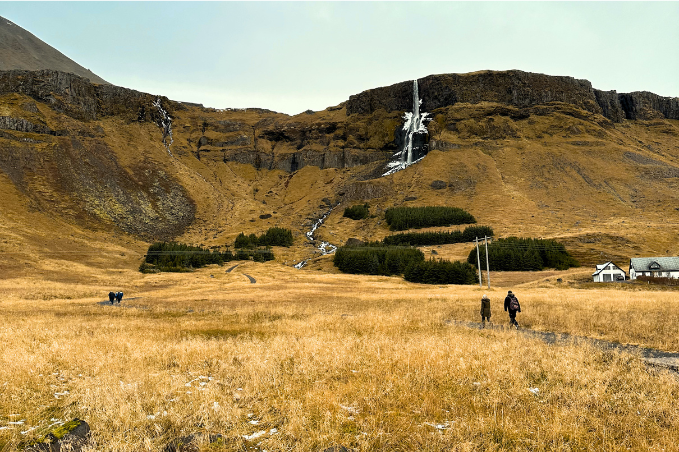
What Is Slow Travel?
Slow travel is about being present during your journey.
It values connection, sustainability, and simple experiences.
It often includes:
- Staying longer in one location
- Choosing local food and services
- Using public transport when possible
- Leaving room for spontaneity
This mindset helps reduce travel stress, while also supporting local communities.
Why Iceland Is Ideal for Slow Travel
Iceland’s landscape naturally encourages a slower pace.
Weather changes quickly and daylight shifts with the seasons.
You may find it more rewarding to explore one region well.
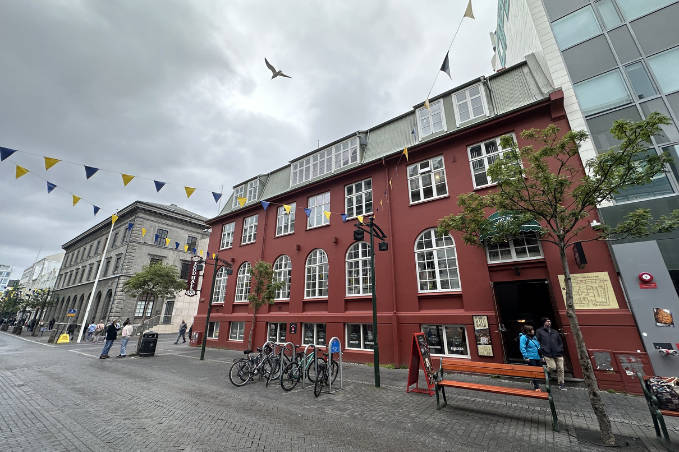
If you are starting in the capital, exploring Reykjavík slowly can be a great introduction.
You might enjoy browsing a local guide to Reykjavík for ideas on where to wander.
Here are a few popular ways to travel slowly in Iceland:
- Spend several days in one town
- Explore nearby nature on foot
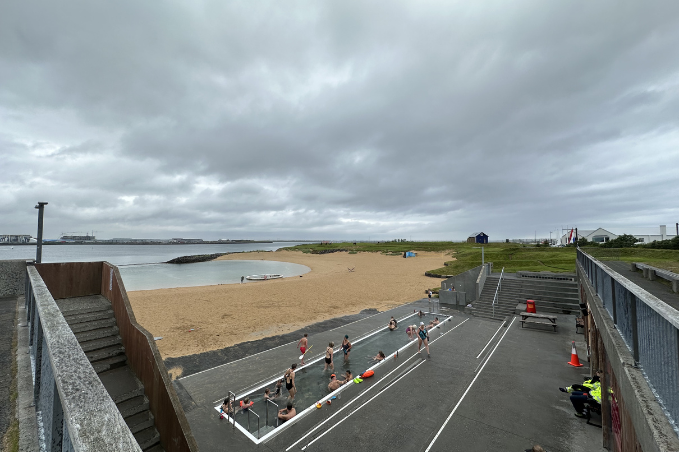
- Visit geothermal pools as often as you can.
- Follow local recommendations instead of a bucket list
This way of traveling also aligns with sustainable travel values.
Where to Experience Slow Travel in Iceland
Reykjavík and Nearby Areas
Reykjavík works well as a base for slow travel in Iceland.
You can take time to visit museums, cafés, and nearby natural landscapes.
If you are looking for ideas, this guide to
top Reykjavík attractions can help you plan at your own pace.
To experience the everyday rhythm, consider:
- Visiting neighbourhood cafés like those in this list of
inviting Reykjavík kaffihús - Exploring seasonal highlights such as
Reykjavík in autumn - Spending a calm winter day using ideas from
a winter day in Reykjavík
The South Coast
The South Coast is often rushed, but taking a bit of extra time to explore can be rewarding.
Instead of a quick drive, consider staying longer in one village.
From there, explore waterfalls, black sand beaches and glaciers at a slower pace.
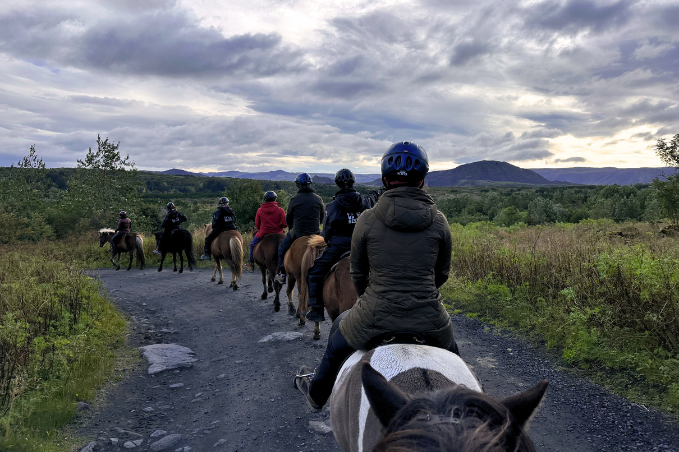
You may also come across local farms and Icelandic horses.
Going on on horseriding tour and learning more about the
Icelandic horse
can add another layer to the experience.
How to Travel Slowly in Iceland
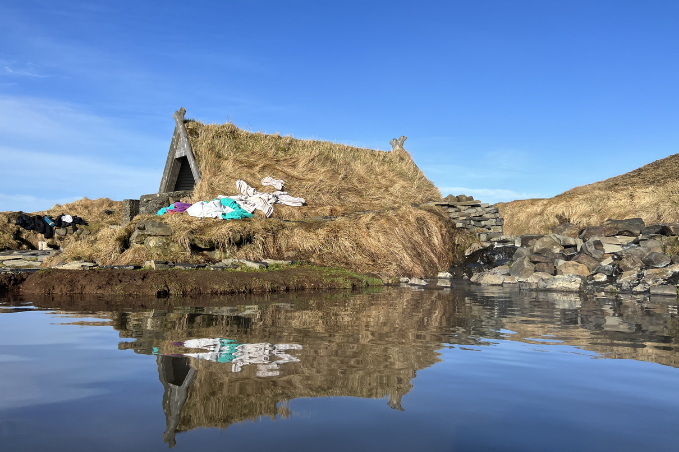
Adopting slow travel in Iceland is simple with a few changes.
Choose One Base
Stay in one place for several days or longer.
This reduces travel time and increases immersion.
Live Like a Local
- Shop at local markets
- Cook simple meals
- Try everyday foods, like those in this guide to
Icelandic foods from supermarkets
Limit Daily Plans
Plan one activity per day or better yet none at all.
It´s good to leave space for unexpected discoveries.
Travel More Sustainably
- Use buses or shared transport
- Walk whenever possible
- Support small local businesses
For a relaxed outing near the capital, places like the
Reykjavík Family Park and Zoo
can offer a slower pace.
Benefits of Slow Travel in Iceland
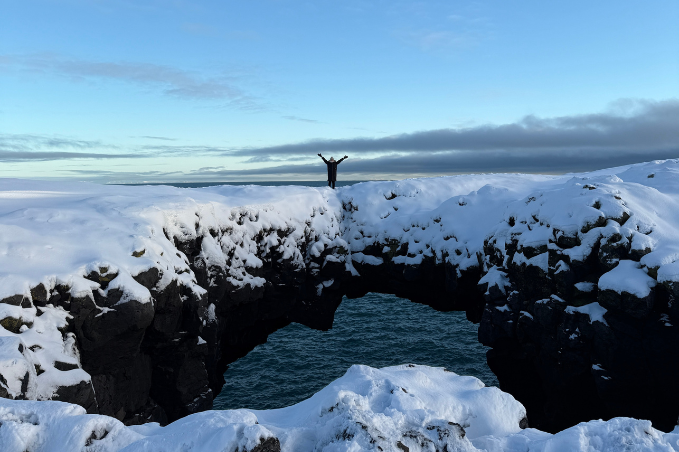
Choosing a slower approach can change your entire trip.
Key benefits include:
- Less stress and travel fatigue
- More meaningful cultural experiences
- Lower environmental impact
- Better connection with nature
You may also notice more details.
Light, weather and landscapes feel different when you are not in a rush.
Tips for a Slower Iceland Itinerary
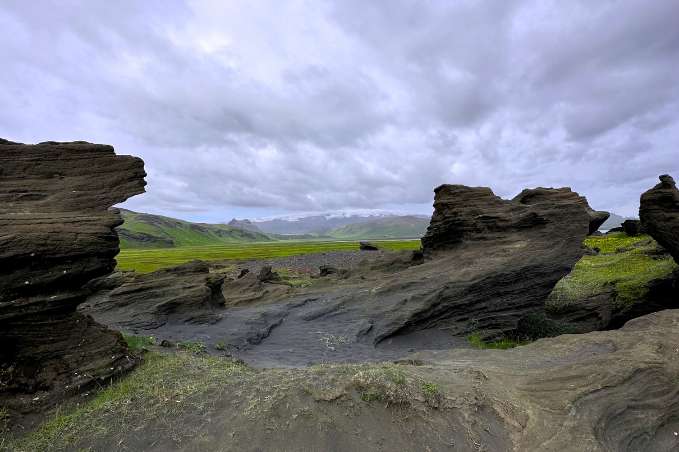
Follow the Seasons
Each season offers a different pace.
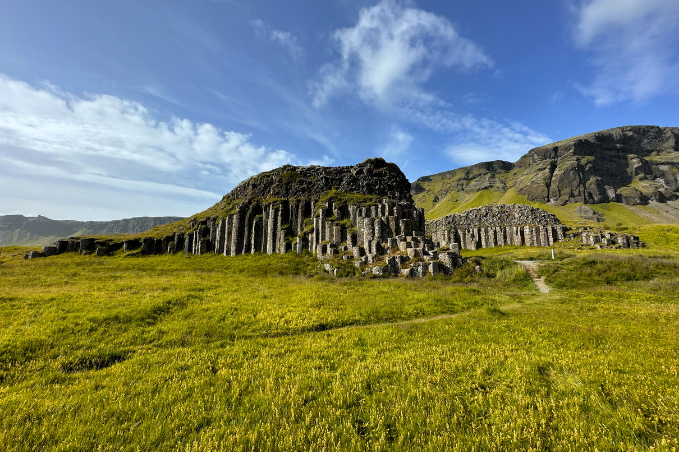
Winter is more for cozy evenings under warm blankets, while summer brings long, bright days for exploring the hills and knolls.
Stay Flexible
Weather in Iceland will change your plans.
Having a flexible schedule makes the experience more enjoyable.
Focus on Quality Over Quantity
It is better to explore one area well than many places quickly.
FAQ: Slow Travel in Iceland
How long should I stay in one place?
Three to five days is a good starting point.
Longer stays allow deeper exploration.
Is slow travel more expensive?
Not always. Staying longer in one place can reduce transport costs.
Can I still see major attractions?
Yes, but you may choose fewer highlights.
You experience them with more time and less pressure.
Slow travel in Iceland is not about doing less.
It is about experiencing more, at your own pace.