

Reykjavík in Spring: What to Expect, See & Do
Planning a spring trip to Reykjavík? Here’s what you need to know before you book.
Spring in Reykjavík is a transition period. It’s not fully winter, but it is not summer either. The weather can change fast. One moment, it’s sunny, a short time later, wind or snow can move in.
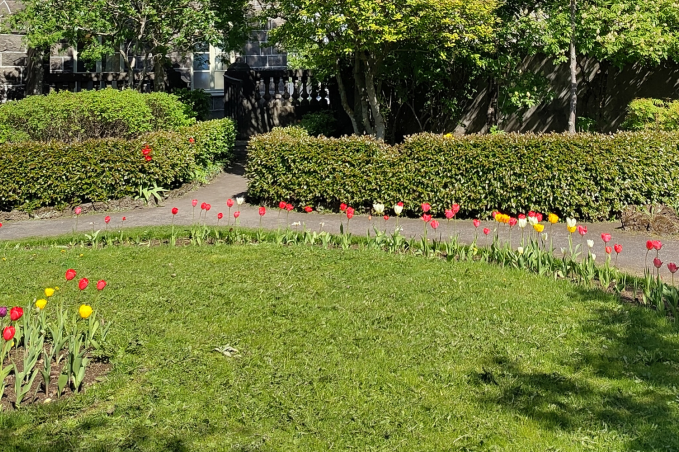
Locals consider it more of a “thaw season” than a full spring. In March and early April, the ground can still look brown, and snow remains in shady spots and on highlands. You usually don’t see real green until late May. Despite the uncertainty, this season offers fewer crowds, easier access to attractions, and longer days to explore.
In this guide, you’ll discover what Reykjavík is like in spring, along with tips for planning your trip. Explore seasonal activities, practical advice, and ways to adapt to changing conditions.
Everything You Need to Know About Spring in Reykjavík
Spring conditions in Reykjavík change month by month and vary across the city. The weather feels different near the harbor, in residential streets, and around open viewpoints. Here’s what to expect as spring unfolds.
March in Reykjavík
March still behaves like winter in Reykjavík. Temperatures range from -2°C to 3°C (28°F to 37°F). It’s a good idea to plan for time indoors between short walks.
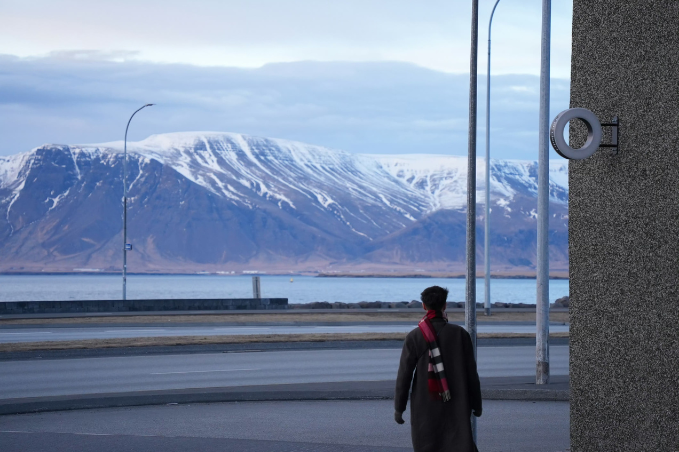
Snow and ice often remain around higher areas near Hallgrímskirkja and on quieter side streets. Wind is common, especially near the harbor and open waterfront areas like the Sun Voyager.
One of the best things about March is the higher chance of seeing the northern lights. The Grótta Lighthouse is the best spot for viewing.

April in Reykjavík
April brings the true "thaw." Average temperatures are between 1°C and 6°C (34°F to 43°F). The weather can shift quickly, from sunny mornings to windy or rainy afternoons. Snow turns to gray slush on the busy downtown roads like Laugavegur. Though you may still see ice near shaded paths and around Tjörnin pond.
Reykjavík in April has longer daylight hours, so it’s easier to plan your day, even if the weather is unpredictable. It’s a great month to visit the Reykjavík Art Museum or Penis Museums. Short walks between cafés and main sights are enjoyable, so you don’t have to spend too much time outdoors.
May in Reykjavík
May signals the arrival of milder days, with temperatures ranging from 4°C to 10°C (39°F to 50°F). Snow is mostly gone from city parks like Austurvöllur, but you can often see it still covering Mount Esja across the bay.
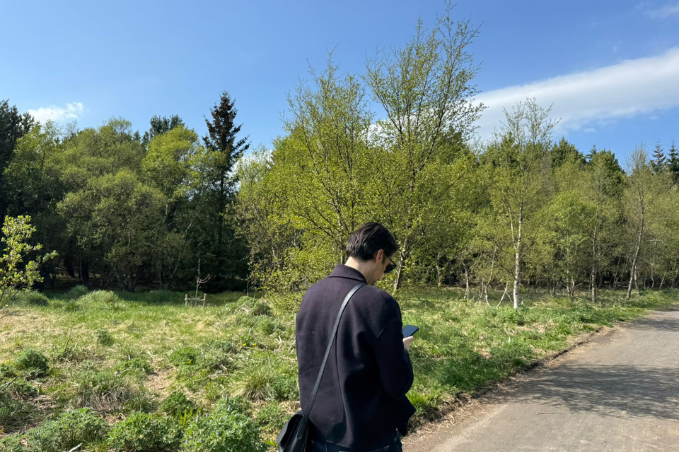
Reykjavík gets brighter in May, and the city starts to turn green as summer nears. By the end of the month, puffins come back to the nearby coast. However, with so much daylight, it is harder to spot the northern lights.
The Wind Factor
Wind is the trickiest part of Reykjavík’s spring. Even if the air temperature shows 5°C (41°F), the wind chill can make it feel more like -5°C (23°F). It’s all part of the city’s lively character.
Some travelers remind visitors of the wind’s strength. Gusts can be strong enough to surprise you, so take care with car doors. Dress in cozy layers, and don’t forget a windproof jacket to stay comfortable and enjoy your adventure.
- Where to Stay for Convenient City Access: Spring weather can change fast, so being in the center of Reykjavík means you can easily head back, warm up, and go out again whenever you want. Center Hotels Laugavegur is a great pick.

Best Things to See and Do During Spring in Reykjavik
The "thaw" season limits some highland travel. However, the capital area offers plenty of activities.
Whale Watching Returns
April brings the start of an exciting whale-watching season. Minke whales and playful dolphins return to greet visitors in the bay, and daily boat trips set off from the Old Harbor. For the smoothest ride, head out in the calmer morning waters. Spring makes whale sightings a wonderful treat; they begin to arrive in late April.
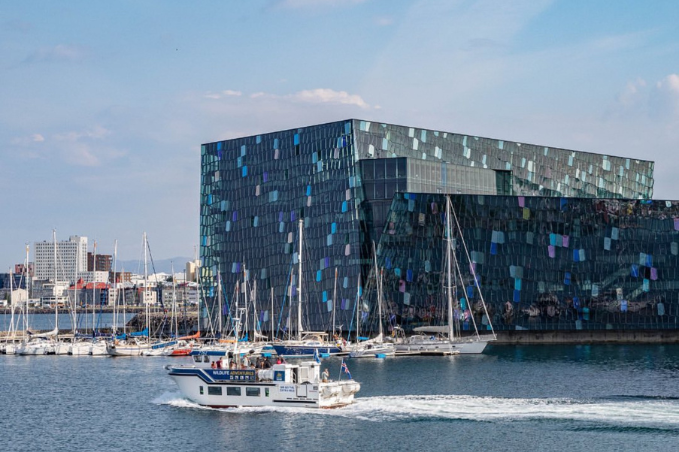
- Where to Stay Near the Harbor: If you plan to go whale watching, stay close to the water. Center Hotels Grandi is located in the Grandi harbor district. This area is known for its maritime history. You can walk to the tour boats in minutes. You can also spend time inside Harpa Concert Hall.

Exploring Reykjavik City Culture
During spring in Reykjavik, locals often plan short walks between indoor stops rather than staying outside for long stretches. Places like Sandholt and Brauð & Co are common stops, especially when the weather shifts during the day.
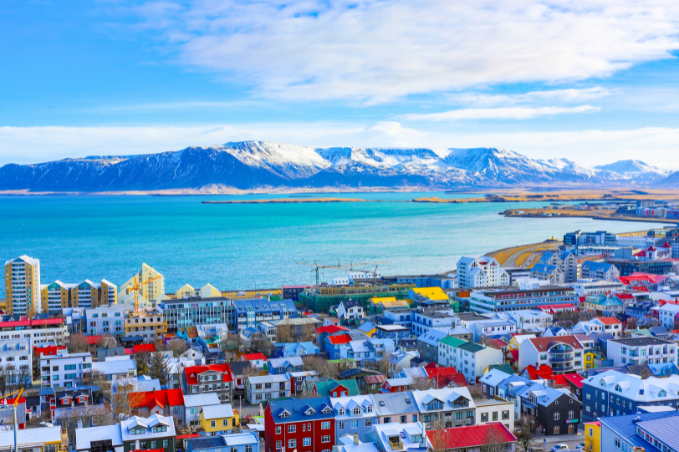
Visit Hallgrímskirkja, whose tower offers impressive views. From above, the colorful rooftops of the city stretch out before you.
Once you have taken in the city sights, head to Laugavegur, the main shopping street. It is full of design shops and cafes. You can buy local wool sweaters here. These are practical souvenirs for the weather.

Reykjavik Museums and Indoor Escapes
Spring makes indoor attractions a good option on windy or rainy days. Among them, the National Museum of Iceland and the Reykjavík Art Museum stand out as a top choice, offering a deep dive into Viking history and culture while you stay dry.
For a unique experience, visit The Settlement Exhibition, located underground in the city center. Here, you can walk around an excavated Viking longhouse, a warm, fascinating refuge from the wind.
Try Local Lagoons and Hot Springs in Reykjavik
Geothermal bathing is a reliable way to enjoy a spring. Sky Lagoon is in Reykjavik, so it’s easy to visit compared to the Blue Lagoon. The weather usually doesn’t affect access, and the experience is similar in every season.
Public swimming pools are also a reliable choice. Outdoor pools like Sundhöllin and Laugardalslaug stay warm all year because of geothermal heating, even when it’s cold outside.
Spa hotels can also work well in spring. Center Hotels Miðgarður offers an on-site spa with hot tubs and relaxation areas, which is useful when outdoor plans change.
Day Trips During Spring in Reykjavik
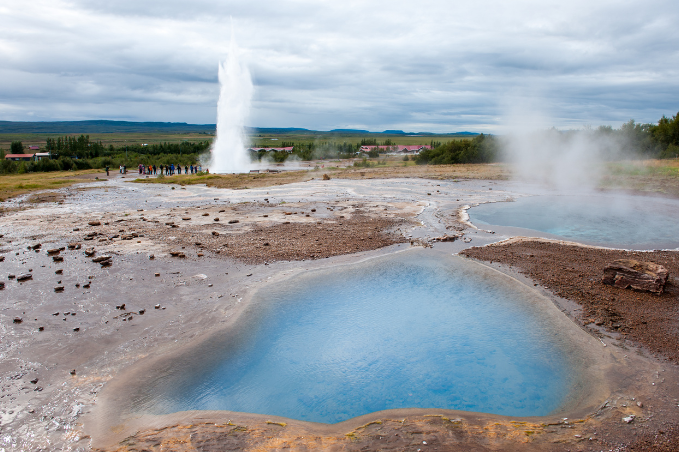
Many day trips from Reykjavík are possible in spring, but you’ll need to stay flexible. The Golden Circle is open and maintained all year. However, the weather can affect visibility, so you might spend more or less time at each stop depending on the conditions.
Partial trips along the South Coast are also possible. Visiting waterfalls or black sand beaches closer to Reykjavík often works better. Trying to cover long distances in one day can be risky. Road conditions improve as spring progresses. However, wind can still affect driving.
Snæfellsnes is another option. Conditions vary significantly by area. Coastal sections may be clear. Higher ground can still hold snow. Checking forecasts and road updates is essential before committing to longer drives.

Preparing for Your Spring Trip in Reykjavik
Proper planning ensures a smooth visit during the spring season in Reykjavik. As you prepare for your trip, remember to handle logistics, packing, and budgeting with flexibility in mind.
Arriving smoothly builds on good planning. Keflavík International Airport is a 45-minute drive from downtown. Give extra time if the weather is poor.
Airport buses run all year and are reliable. If you want more control, you can drive, but spring roads can change quickly. Guided tours are a good choice if you do not want to drive in windy or snowy weather.
What To Pack for Reykjavik
Layering is the key to comfort. Start with a thermal base layer. Add a fleece or wool mid-layer. Finish with a waterproof and windproof shell. Do not bring an umbrella. The fierce Icelandic wind will break it immediately. Wear waterproof hiking boots to handle slushy streets.
Budget Considerations
Spring is the "shoulder season," so prices are generally lower than in summer. You can find better deals on flights and car rentals. Dining out is expensive, so many travelers save by buying lunch at grocery stores like Bonus or Krónan.
Is Reykjavík in Spring Right for You?
If you like having flexibility and want to avoid crowds, spring is a good time to visit Reykjavík. The city stays active year-round, and many experiences remain accessible even when the weather shifts.
Staying central lets you adjust plans easily and focus on what works each day. If you value flexibility and fewer crowds, spring is a practical time to visit Reykjavík.
If you prefer steady weather or want to see green landscapes, consider visiting in late spring or summer. When you know what to expect, it’s easier to pick the best season and plan a trip that matches your travel style.

Frequently Asked Questions About Reykjavík in Spring
What months are considered spring in Iceland?
Spring in Iceland lasts from March through May. Locals often call it a thaw, not true spring.
Can you swim in the Geysir hot springs?
No. Swimming is prohibited due to the protected status and dangerous temperatures.
What is the best month to visit Reykjavík?
April and May mean fewer crowds and longer days. Summer offers greener scenery and steadier weather.
How far are hot springs from Reykjavík?
Some hot springs are inside the city. Sky Lagoon is about ten to fifteen minutes by car.
Is spring a good time to visit Reykjavík for sightseeing?
Yes. Spring is good for sightseeing, museums, cafés, and geothermal pools.
Are northern lights visible in Reykjavík during spring?
The Northern Lights are possible in March on clear nights. By April and May, chances are very low.