

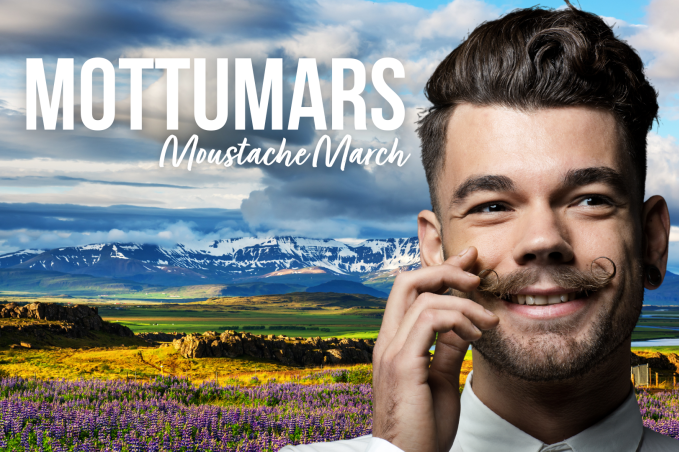
Mottumars: Highlighting Men's Cancer Awareness in Iceland
Diverse Cancer Types Affecting Men
Testicular Cancer: Although relatively rare, testicular cancer is the most common malignancy among young men aged 25-39. Each year, about 14 cases are diagnosed in Iceland, with an average age of diagnosis at 34 years. Remarkably, testicular cancer has one of the highest cure rates, with approximately 98% of those diagnosed surviving beyond five years. Men are encouraged to be vigilant about changes in their testicles, as early symptoms may be subtle but detectable.
Prostate Cancer: This is the most prevalent cancer among Icelandic men, with more than 240 new cases annually. The prognosis largely depends on whether the cancer is localized to the prostate or has spread. About 90% of diagnosed men live longer than five years after diagnosis. Screening involves measuring PSA levels, although routine screenings are not universally recommended to avoid overdiagnosis and unnecessary treatment.
Colorectal Cancer: The second most common cancer in Icelandic men, colorectal cancer affects nearly 100 men annually. The average age at diagnosis is 68, and the outcomes are generally favorable with early detection. Screening and preventive measures are crucial, with lifestyle factors playing a significant role in risk reduction.
Lung Cancer: As the third most common cancer among men in Iceland, lung cancer is primarily caused by smoking. With more than 80 men diagnosed yearly, it's a poignant reminder of the importance of quitting smoking and avoiding secondhand smoke exposure. Lung cancer is particularly deadly and accounts for the highest number of cancer-related deaths.
Raising Awareness and Funds
Mottumars, as the name indicates runs through the month of March, this month serves as a focal point for the effort to raise awareness and funds for men's cancer research and support. It encourages men to engage in healthful practices, recognize early warning signs of cancer, and seek medical advice when necessary. To have a look at the Moustache March website click here.
This initiative not only highlights the importance of early cancer detection but also fosters a community of support among men. By participating in Moustache March, individuals contribute to a greater understanding of men's health issues and the crucial role of timely medical intervention.
In conclusion, Moustache March in Iceland is more than just growing facial hair; it's a call to action for men to take their health seriously. Through education, fundraising, and community support, we can make a significant impact in the fight against cancer. Let's band together this March to raise awareness and support our brothers, fathers, sons, and friends in their battle against cancer. As part of our fundraising efforts at Center Hotels, from the 12th to the 19th of March, 50% of each spa access sold will go to the Cancer Association. You can take a look at our Spas by clicking here.