The Long Road to Beer in Iceland
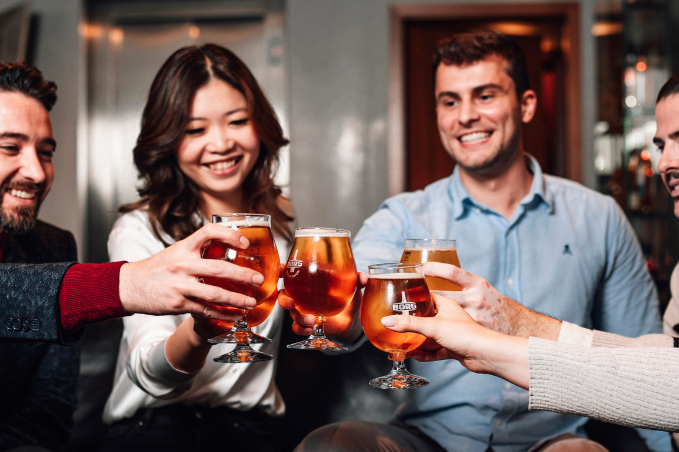
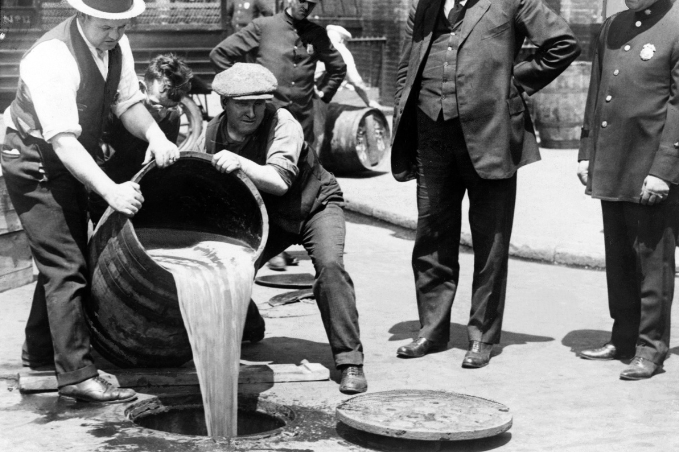
Imagine a world where beer is an illegal substance, consumed in secret, smuggled across borders, brewed in basements and sold on the black market. Sounds dramatic? Well, for Icelanders, this wasn’t just a story, it was reality until March 1st, 1989, a day that changed the nation’s drinking culture forever.
A Brew with Ancient Roots
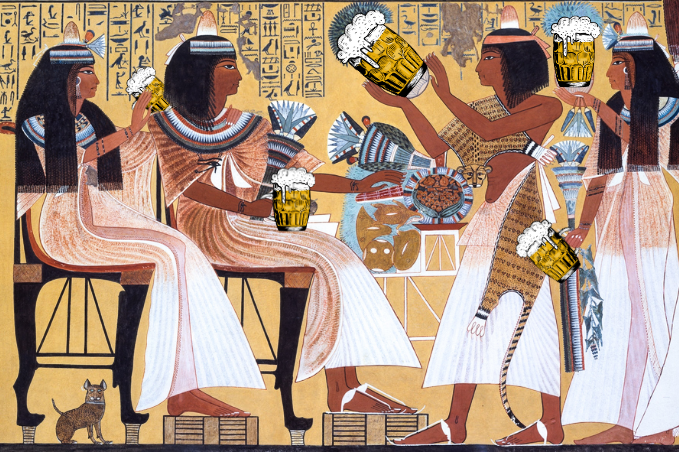
Beer’s history stretches back to ancient Mesopotamia (around 6000 BC) and Egypt (around 5000 BC), where it wasn’t just a beverage but a nutritional staple and even a sacred offering. In Egypt, beer played a key role in religious rituals, and in many cultures, it was a safer alternative to contaminated drinking water. By the 12th century, monks in medieval Europe revolutionized brewing by introducing hops, an innovation that balanced the sweetness of malt while extending the beer’s shelf life. This transformation paved the way for beer to become a staple drink for everyday people.
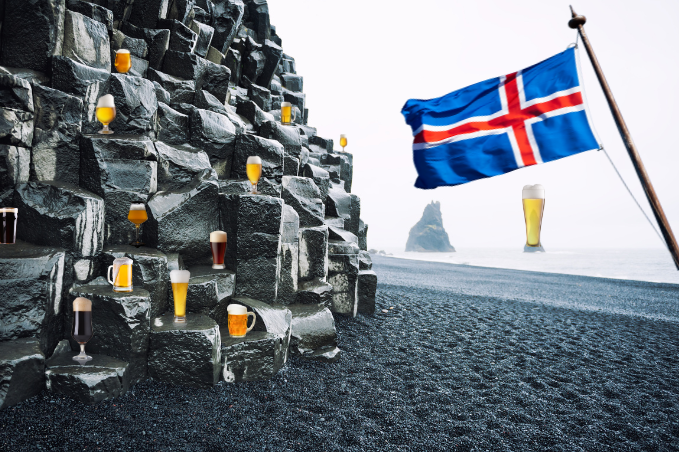
Iceland’s Rocky Road with Alcohol
Like many nations at the turn of the 20th century, Iceland was caught in heated debates over alcohol consumption. In 1915, imposed a sweeping prohibition that banned the import and sale of all alcoholic beverages, including beer. However, economic realities soon forced exceptions. Since Iceland’s main export at the time, salted cod, was heavily traded with Spain in exchange for wine, the government lifted restrictions on Spanish wines. But beer? That was another story.
Despite the general alcohol ban being repealed officially in 1935, beer remained prohibited. Certain factions feared that beer’s mass appeal would encourage excessive drinking, particularly younger generations and the working class. While others argued that beer was a milder alternative to hard liquor and could promote more responsible drinking habits.
Over the years, multiple attempts to revisit the beer ban in parliament failed. Tourists and sailors could bring in small amounts duty-free and in 1980, the sale of beer in Keflavík Duty-Free added momentum to the movement against prohibition. However, since international travel was limited at the time, many Icelanders saw this change as discriminatory.
By the mid-1980s, frustration over the ban reached new heights. Illegal beer sales surged, and homebrewing became common, with brewing equipment legally available for purchase. Then, in a particularly creative workaround, two nightclub owners introduced bjórlíki (beer substitute), a mix of vodka, whiskey, wine, and light ale designed to mimic beer. Initially sold in diluted form as draft beer in pubs, its increasing strength and popularity raised concerns, leading to its ban in 1985. After over seven decasdes of prohibition, the time for change had finally arrived.
March 1st, 1989: The Day Beer Was Reborn
After decades of debate and numerous failed proposals, March 1st, 1989 marked a turning point in Icelandic drinking history. The long-standing beer ban was finally lifted, legalizing the production, import, and sale of beer. This wasn’t just a legislative change, it was a cultural shift, an end to restrictive alcohol policies, and the beginning of Iceland’s thriving beer scene. Today, March 1st is known as Beer Day in Iceland, an annual reminder of the country's path to beer freedom.
A Thriving Beer Scene
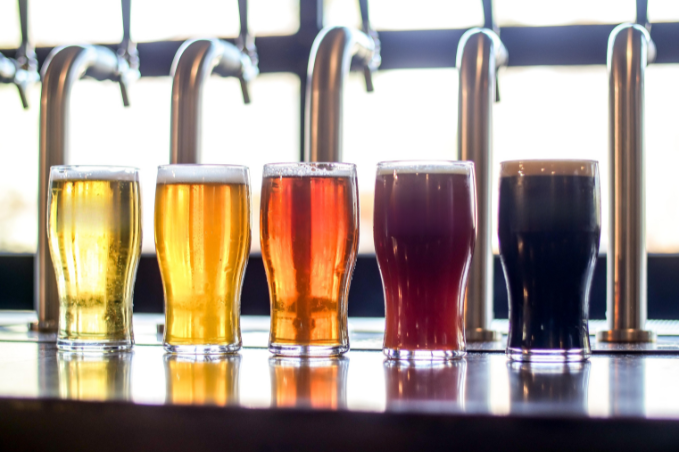
Since the ban was lifted, Iceland has experienced a craft beer boom. What began as a simple policy change has evolved into a dynamic and innovative brewing culture. Pioneering microbreweries like Kaldi Brewery, Ölvisholt and Einstök Brewery helped lay the foundation for the industry, and today, a growing number of independent breweries are putting Iceland on the global beer map.
From Reykjavík’s bustling brewpubs to small-town microbreweries, beer culture in Iceland is flourishing. Local brewers experiment with unique flavors, often incorporating native ingredients such as Arctic thyme, seaweed, and even Icelandic moss. What’s more, Icelandic beers have earned international recognition, winning awards and attracting beer lovers from around the world.
Whether you prefer a crisp lager, a bold IPA, or something more experimental, Iceland’s breweries now offer a diverse selection for every taste. For the beer enthusiasts out there, why not jump on the Reykjavik Beer & Booze Tour organised by Your Friend In Reykjavik. For more tour options click here.
Raising a Glass to the Future
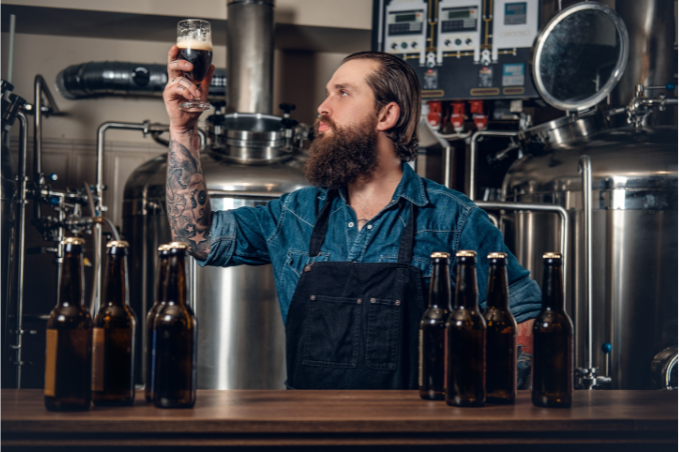
The legalization of beer in 1989 was more than just a change in law, it was a milestone that reshaped Iceland’s drinking culture and paved the way for a thriving brewing industry. Today, Icelanders embrace beer as a part of their social scene, and March 1st remains a day to toast to this historical brew. So, next time you crack open a cold one in Iceland, remember: it wasn’t always this easy to enjoy a beer!
Here’s to Iceland’s beer liberation—cheers!