

Sumardagurinn Fyrsti: Iceland's Unique Celebration of Summer's Arrival
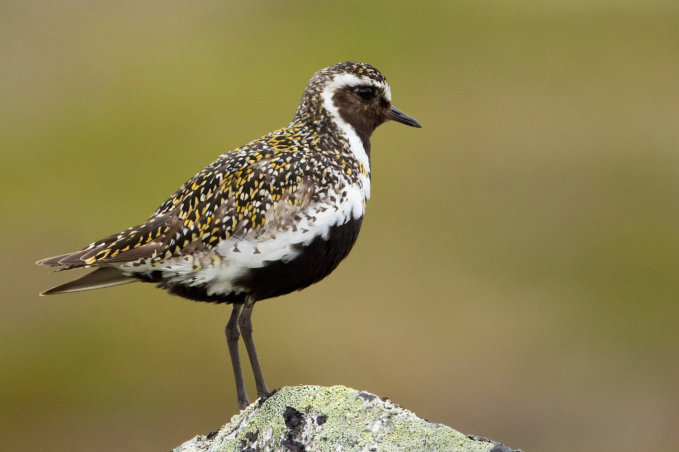
Despite being still a way off from summer, the month of April signifies the transition from winter to summer, marked by a distinctive holiday known as Sumardagurinn Fyrsti, or the First Day of Summer,. This day is celebrated annually on the first Thursday after April 18th and has both historical and cultural significance for us in Iceland.
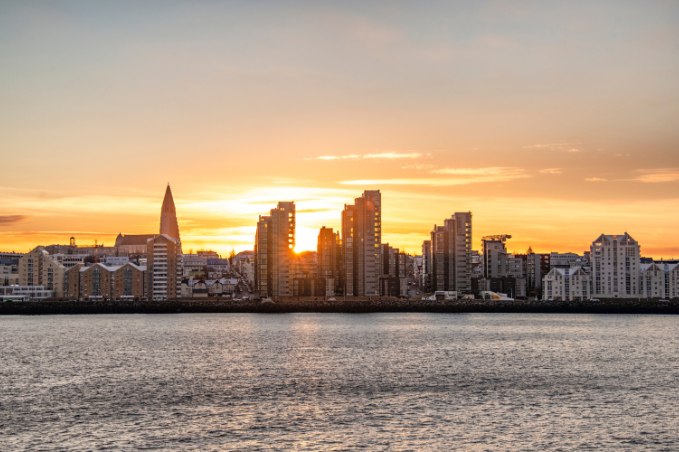
Historical Roots
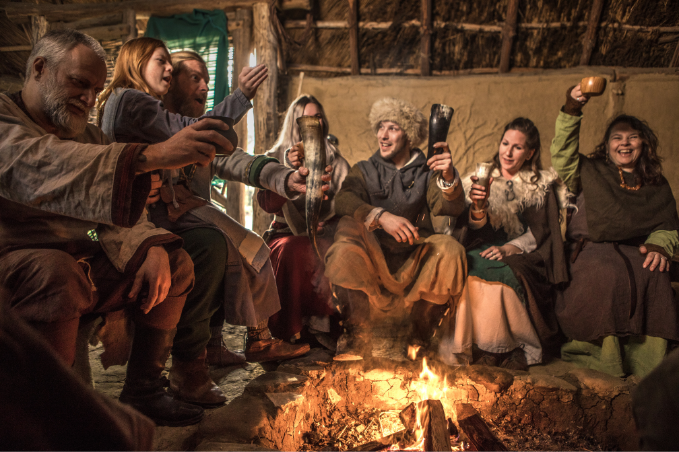
The origins of Sumardagurinn Fyrsti can be traced back to the old Norse calendar, not unlike what we still experience today, our ancestors divided the year into just two seasons: winter and summer. According to their calendar, summer began in April, usually when the harsh Icelandic winter begins to calm down. The first day of the month Harpa (like the concert hall) marked the beginning of summer and was traditionally celebrated with various festivities. Not surprisingly, this time of year with longer days and the reappearance of the sun made this day more significant than Christmas in Icelandic culture.
Modern Celebrations
Today, Sumardagurinn Fyrsti is a public holiday in Iceland, celebrated with parades, organized entertainment, and community events across the country. Children often receive "summer gifts," a tradition dating back to the 16th century, predating the custom of Christmas gifts by about three centuries. These gifts symbolize the end of winter's hardships and the welcoming of brighter days.

Weather Lore and Traditions
Despite its name, the First Day of Summer doesn´t necessarily mean t-shirt weather. It's not uncommon for temperatures to hover around freezing, and snowfall isn't unheard of. According to folk belief, if the temperature drops below freezing the night before Sumardagurinn Fyrsti, it predicts a warm and pleasant summer ahead. This phenomenon is referred to as "when winter and summer freeze together."

Community Spirit
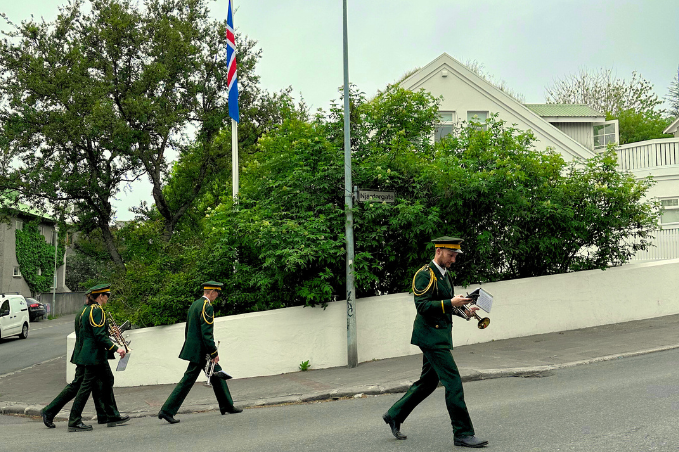
The holiday fosters a strong sense of community. Local scout groups and brass bands often lead parades, and various outdoor activities are organized for people of all ages. It's a day when Icelanders come together to celebrate the end of the long, dark winter months and look forward to the brighter days ahead. For more info on the brass bands you can check out the scouts of Iceland webpage. click here
Conclusion
Sumardagurinn Fyrsti is a testament to Iceland's rich cultural heritage and the resilience of its people. It reflects the nation's ability to find joy and celebration even when the weather doesn't quite align with the calendar. So, if you find yourself in Iceland during this unique holiday, join in the festivities and embrace the Icelandic spirit of welcoming summer, regardless of the temperature.